
No products in the cart.
flame-resistant-clothing
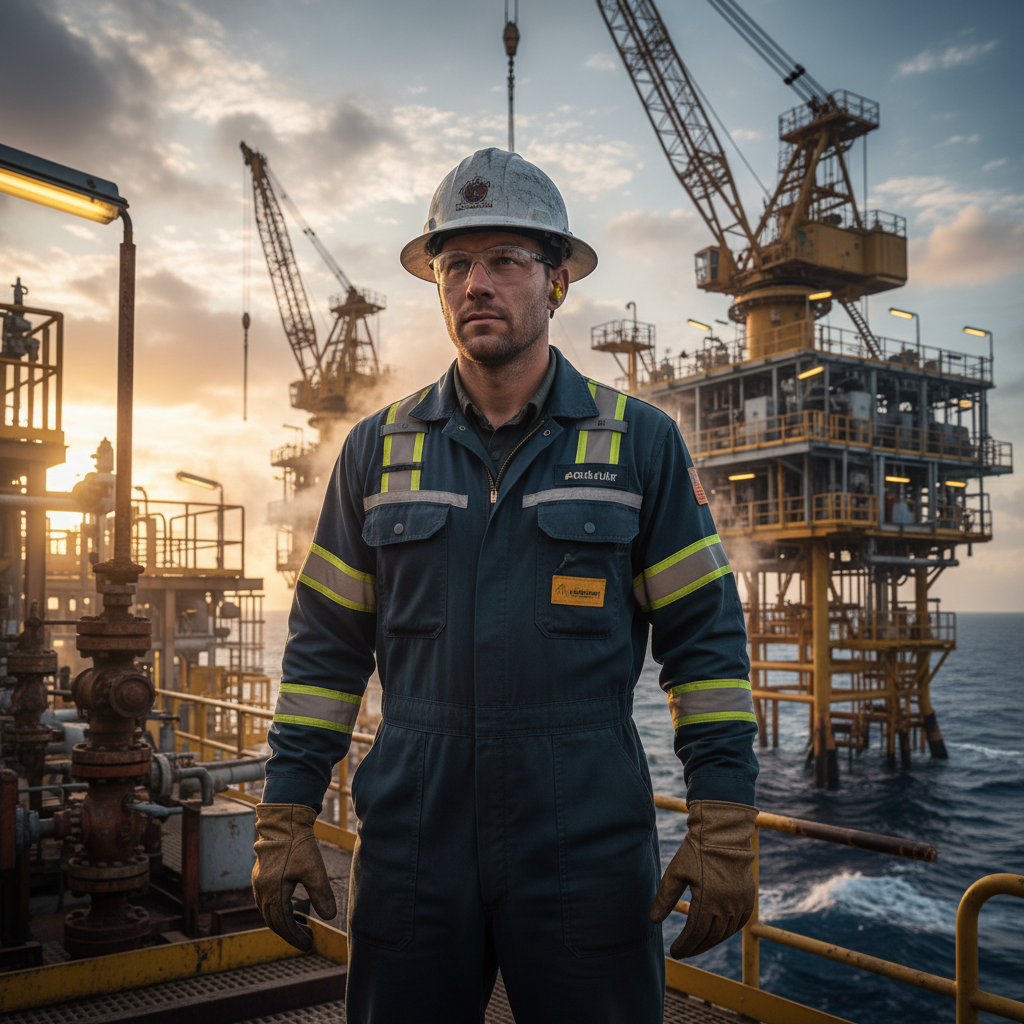
What are the best flame resistant coveralls for oil and gas workers
20
Mar
Mar
Working in the oil and gas industry requires gear that doesn’t just look professional—it saves lives. Flame Resistant (FR) coveralls are the standard for protection against flash fires and thermal hazards. Here are the top-rated options currently leading the market:
You can find a vast selection of CSA approved FR coveralls at this webpage.
FR Blend Coveralls
- Bulwark FR Premium Coveralls: Renowned for durability and arc ratings.
Bulwark Style CLBX Lightweight 7.0 oz. Cat2 FR Coveralls - Lapco FR Contractor Grade: The go-to choice for heavy-duty field work.
- Carhartt Flame-Resistant Canvas: Combines classic comfort with CAT 2 protection.
- Neese VI7CA 100% Cotton FR: Excellent breathable option for hot environments.
- Walls FR Insulated: Best for cold-weather offshore operations.
Deep Dive: Top 5 Brands in Detail
Choosing the right brand often comes down to the specific environment of your job site. Here is a closer look at why these brands stand out:
Bulwark FR: As a global leader, Bulwark offers the most extensive range of FR apparel. Their iQ Series is particularly popular for workers who need mobility, as it uses advanced chemistry to create fabrics that are lighter and more breathable than traditional treated cotton.
Lapco FR: If you are in a high-abrasion role, Lapco is hard to beat. Their “Contractor Grade” coveralls feature triple-needle stitching and reinforced stress points, making a favorite for roustabouts and welders who put their gear through the wringer daily.
Carhartt FR: Carhartt has successfully translated their legendary workwear comfort into the FR world. Their use of Rugged Flex technology allows for better range of motion, while their signature duck and canvas fabrics offer the familiar feel of non-FR workwear.
Neese FR: Neese specializes in protective gear for extreme conditions. Their 100% cotton FR coveralls are specifically engineered for breathability in high-heat summer months, ensuring that safety doesn’t lead to heat exhaustion.
Walls FR: Walls is the go-to brand for thermal protection. For offshore workers facing freezing winds or northern oil field teams, Walls’ insulated FR coveralls provide the necessary warmth without compromising the essential flame-resistant properties required by site safety managers.
Understanding Safety Standards
Before you purchase, ensure your coveralls meet the specific standards required by your employer. The two most common certifications are:
- NFPA 2112: This is the industry standard for protection against flash fire. It ensures the garment provides a minimum level of protection and will not continue to burn once the fire source is removed.
- NFPA 70E / ASTM F1506: These standards relate to Arc Flash protection, which is vital for any worker near electrical equipment or high-voltage lines.
Why FR Gear Matters
In the oilfield, hazards can arise in seconds. Flash fires are sudden and intense, and standard clothing can actually melt to the skin, causing devastating secondary injuries. The primary goal of flame-resistant clothing is to provide “escape time”—the critical seconds needed to move away from a heat source while the fabric acts as a barrier.
Inspection and Long-Term Care
The effectiveness of your FR coveralls can be compromised by poor maintenance. Always inspect your gear for:
- Oil and Grease Stains: If your coveralls are saturated with flammable liquids, the liquid itself can ignite, bypassing the FR properties of the fabric.
- Mechanical Damage: Holes and tears must be repaired using FR thread and FR fabric patches. Using standard polyester thread can create a “wicking” effect in a fire.
- Washing Instructions: Never use bleach or fabric softeners. Bleach can weaken the fabric, and softeners can coat the fibers with a flammable film.
Frequently Asked Questions
Q: How often should I replace my FR coveralls?
A: You should replace them if they are torn beyond repair, heavily soiled with flammable substances that won’t wash out, or if the fabric has worn thin enough to see light through it.
Q: Can I wash FR clothing at home?
A: Yes, most modern FR gear is designed for home laundering, but you must avoid bleach and fabric softeners, as they can degrade the flame-resistant properties.
Q: What does CAT 2 mean?
A: CAT 2 refers to a Category 2 Hazard Risk Category (HRC 2), meaning the garment has an arc rating (ATPV) of at least 8 cal/cm². This is the standard requirement for most general industrial work.
Q: Are 100% cotton coveralls naturally flame resistant?
A: No. While 100% cotton won’t melt like polyester, it will still burn. Only cotton that has been chemically treated (like Indura or Westex) is considered FR-rated.
