
No products in the cart.
Uncategorized
Toolbox Talk: Your FR Coveralls are Your Last Line of Defense
This script is designed to be a quick, 3-to-5-minute briefing (a “Toolbox Talk”) you can deliver at the start of a shift. It’s written to be direct and relatable to keep the crew’s attention.
🛠️ Toolbox Talk: Your Coveralls are Your Last Line of Defense
Goal: To ensure everyone understands that High-Vis FR gear is “life-saving equipment,” not just a uniform.
- The “Why” Behind the Gear
- The Three-Point Inspection Of Your FR Coveralls
- The “Underneath” Hazard
- Pro-Tip for the Lead
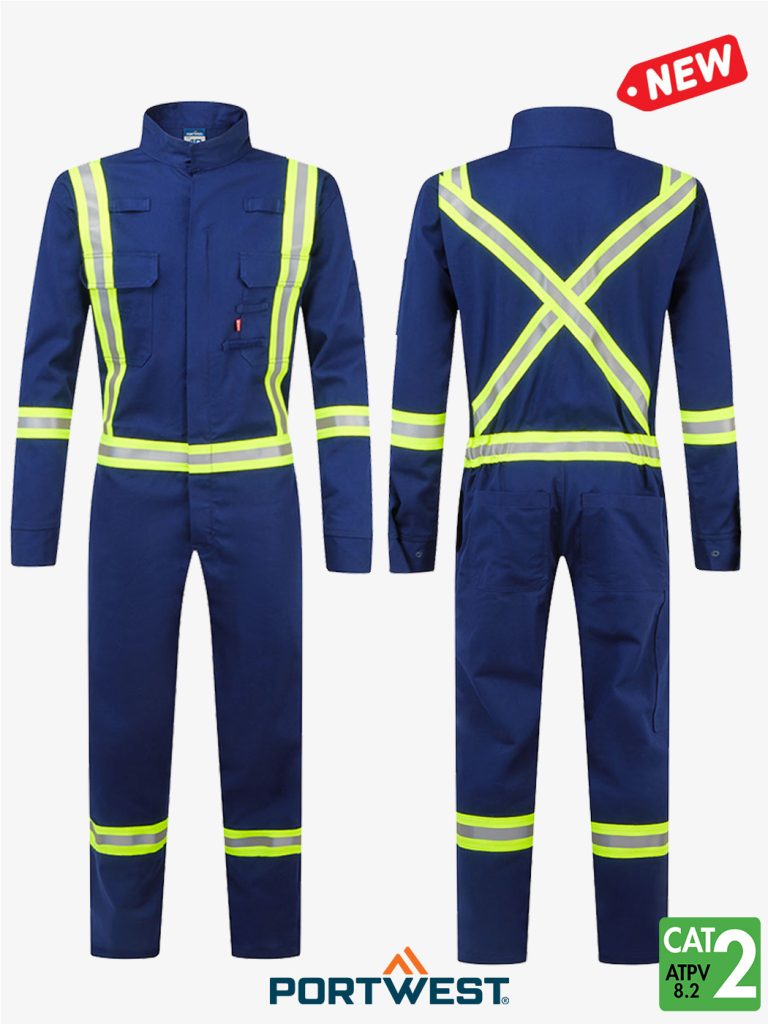
1. The “Why” Behind the Gear
“Morning everyone. Before we head out, let’s talk about your FR coveralls. We wear them for two very specific reasons: Visibility and Thermal Protection.
In a high-traffic or industrial zone, if a driver or operator can’t see you, they can’t avoid you. And if an arc flash or flash fire happens, this fabric is the only thing standing between you and a life-altering injury. But here’s the catch: FR gear only works if it’s maintained and worn correctly.“
2. The Three-Point Inspection Of Your FR Coveralls
“Before you zip up today, check your gear for these three deal-breakers:
- The Grease Factor: If your coveralls are caked in oil or grease, the FR treatment can’t help you. The oil on the surface will catch fire even if the fabric underneath doesn’t. If they’re saturated, swap them out.
- The Tape Check: Look at your silver reflective stripes. If they’re peeling, cracked, or covered in grime, you aren’t ‘High-Vis’ anymore. You’re just a shadow.
- The Holes: A small hole might seem like extra ventilation, but in a flash fire, that’s an entry point for 2,000-degree heat to hit your skin.”
3. The “Underneath” Hazard
“This is the most important part: Watch what you wear underneath. If you wear a synthetic gym shirt or polyester ‘dry-fit’ gear under your FRs, you are wearing a layer of plastic. If there’s an incident, that plastic will melt directly into your skin. Stick to 100% cotton or approved FR base layers. No exceptions.”
4. Close with the “Rule of Zero”
“Finally, keep your sleeves down and the front zipped up. Rolling up your sleeves might be cooler, but it kills your ANSI Class 3 rating—meaning an operator might not see your arms moving.
Let’s keep the ‘Rule of Zero’ today: Zero modified gear, Zero exposed skin, and Zero accidents. Any questions?”
Pro-Tip for the Lead:
Demonstration: During this talk, point to your own “CAT 2” or “NFPA 2112” label on your sleeve to show the crew exactly where to find their protection ratings.
FAQ’S
Why are they called my “last line of defense”?
Safety starts with hazard identification and engineering controls. If those fail and an incident occurs, your FR coverall is the final barrier between your skin and a life-altering thermal injury.
Standards & Compliance (Canada)
What safety standards should I look for on my tags?
In Canada, high-quality FR gear typically meets one or more of these standards:
- NFPA 2112: The standard for protection against industrial flash fires.
- CSA Z462 / NFPA 70E: The standards for electrical safety in the workplace (Arc Flash).
- ASTM F1506: Ensures the fabric won’t melt or drip when exposed to an electric arc.
- CSA Z96: If your job requires high visibility, your coverall must also meet these hi-vis safety requirements.
What is an ATPV rating? ATPV (Arc Thermal Performance Value) indicates the level of protection a garment provides against an electric arc. The higher the number, the more protection it offers.
Fabric & Material Choice
What is the difference between “Inherent” and “Treated” FR? * Inherent FR:
The flame-resistant properties are built into the molecular structure of the fibers (like Nomex®). They can never be washed or worn out.
- Treated FR: The fabric (usually cotton or a cotton/nylon blend) is chemically treated to become flame-resistant. Modern treatments are designed to last the life of the garment if cared for properly.
Which fabric is best for my job? * Treated Blends (e.g., UltraSoft®):
Great for general industrial use; they offer a balance of comfort, durability, and cost.
- Aramid Fibres (e.g., Nomex®): Best for high-risk oil and gas or firefighting environments where maximum heat resistance and durability are required.
- Modacrylic Blends: A softer, lightweight option that is often more comfortable for long shifts while maintaining high protection levels.
Care & Maintenance
Can I wash my FR coveralls at home?
Yes, but you must follow specific rules. Wash them separately from everyday clothes to avoid cross-contamination from flammable lint or residues.
What cleaning products should I avoid?
Never use bleach, fabric softeners, starch, or hydrogen peroxide. These chemicals can coat the fibers or break down the FR treatment, making the garment flammable. Stick to mild, simple detergents.
How do I know when it’s time to replace my coveralls?
Inspect your gear daily. Replace them immediately if you find:
- Holes, rips, or tears (flames can bypass the fabric through these gaps).
- Thinning fabric or frayed edges.
- Contamination with grease, oil, or flammable chemicals that cannot be washed out.
- Alterations made with non-FR thread or patches.
Can I wear my own clothes under my FR coveralls?
You should only wear non-melting natural fibers (like 100% cotton, silk, or wool) or FR-rated base layers underneath. Synthetic materials like polyester or spandex can melt to your skin if the coverall is exposed to extreme heat.
