
No products in the cart.
Uncategorized
Technical Specifications For High-Visibility FR Coveralls
As a Safety Procurement Specialist, ensuring that PPE meets both thermal protection and visibility standards is critical for the “dual-hazard” environments typical in the oil and gas sector. Below is the technical specification sheet followed by a market analysis of the top-performing brands.
- Fabric & Thermal Performance
- Visibility & Construction
- Top 3 Brands for Oil & Gas Durability
- FR Brand Summary:
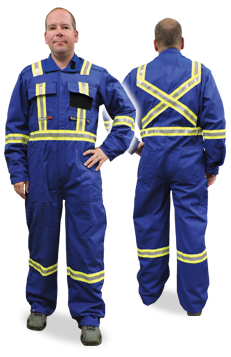
Technical Specification: High-Visibility FR Coveralls
Compliance Standards: * NFPA 2112: Certified for Protection Against Industrial Flash Fire.
- CSA Z96: Standard: is the Canadian national standard for High-Visibility Safety Apparel (HVSA).
1. Fabric & Thermal Performance
- Fabric Weight Options: * 7 oz (Lightweight): Best for high-heat environments or summer operations to reduce heat stress.
- 9 oz (Midweight): Recommended for durability in high-abrasion tasks and cooler climates.
- Arc Rating (ATPV): Must achieve a minimum of 8.6 cal/cm² (CAT 2) to ensure arc flash protection.
- Material Composition: Typically a blend (e.g., 88% FR Cotton / 12% High-Tenacity Nylon) or inherent fibers (Nomex®) to maintain flame resistance for the life of the garment.
2. Visibility & Construction
- Reflective Material: 2″ FR Silver Reflective Tape (3M™ Scotchlite™ or equivalent) in a “Class 3” configuration (strips as an X on the back, vertical stripes down the chest around arms and legs).
- Hardware: * Main Closure: Heavy-duty, non-sparking brass zippers with FR Nomex® tape (two-way for ease of access).
- Snaps/Buttons: FR-covered snaps at the neck and cuffs to prevent heat transfer to the skin.
- Durability Features: * Reinforced Stitching: Triple-needle main seams for maximum tear resistance.
- Stress Points: Bar-tacked pockets and crotch area to prevent blowouts during movement.
- Design: Action back for mobility and “pass-through” side openings for access to inner clothing pockets.
Top 3 Brands for Oil & Gas Durability
The following brands are industry standards for ruggedness and compliance. Here is how they compare regarding moisture-wicking capabilities:
| Brand | Model Series | Durability Rating | Moisture-Wicking Performance |
| Bulwark FR High Visibility FR Coveralls | iQ Series | High | Superior. Uses Milliken® fabric technology designed specifically for active moisture transport and high breathability. |
| IFR Workwear High Visibility FR Coveralls | Workhorse | Very High | Based in Red Deer, Alberta, IFR Workwear has carved out a unique space in the safety apparel industry by blending specialized Canadian heritage with high-performance materials. |
| Atlas Workwear High Visibility FR Coveralls | Original mid weight 8 oz. fabric | Extreme | Atlas Workwear has carved out a unique space in the industrial safety market by focusing on speed, extreme sizing, and “worker-first” design. |
Brand Summary:
- Bulwark FR: The “Engineer’s Choice.” Best for technical compliance and moisture management in humid offshore or refinery environments.
- IFR Workwear: The “Worker’s Choice.” Known for combining athletic-grade comfort/flexibility with high-tenacity durability.
- Atlas Workwear: The “Toughness Standard.” Unbeatable for pure abrasion resistance and longevity in gritty, heavy-labor environments.
FAQs
What is the difference between FR and High-Visibility?
Flame-Resistant (FR) refers to the fabric’s ability to self-extinguish and not melt when exposed to heat or flames. High-Visibility refers to the fluorescent colors and reflective striping that ensure you are seen in low-light conditions. These coveralls combine both to protect you from thermal hazards and traffic/machinery hazards simultaneously.
What standards do these coveralls comply with?
Most professional-grade FR coveralls in Canada meet several key safety standards:
- NFPA 2112: Protects against industrial flash fires.
- NFPA 70E / CSA Z462: Protects against electrical arc flashes.
- CSA Z96-15: The Canadian standard for high-visibility safety apparel.
- ASTM F1506: Ensures the fabric maintains its FR properties over time.
What is an ATPV rating?
Arc Thermal Performance Value (ATPV) measures the maximum thermal energy the fabric can handle before there is a 50% probability of a second-degree burn. For example, a common rating for “Category 2” protection is 8.0 cal/cm2 to 12 cal/cm2.
Technical Design & Features
What is the “X-Back” pattern?
The “X” on the back of the coveralls is a requirement of the CSA Z96 standard. It allows observers to immediately identify if a worker is facing away from them, which is critical for safety around moving vehicles and heavy equipment.
What are the different CSA Classes (1, 2, and 3)?
- Class 1: Lowest visibility; usually just a harness or basic stripes.
- Class 2: Moderate visibility; provides full coverage of the upper torso.
- Class 3: Highest visibility; includes stripes around the arms and legs. This is the standard for high-risk environments like highway construction or nighttime utility work.
Are the zippers and snaps flame-resistant too?
Yes. Technical specifications usually include Nomex®-taped brass zippers or YKK snap closures that are thermally protected from the skin to prevent “heat transfer” injuries during a flash event.
Care & Maintenance
Will the FR protection wash out over time?
No, provided you follow the manufacturer’s care instructions. Modern FR coveralls use either inherent fibers (like Nomex) or treated cotton blends (like Westex UltraSoft) where the flame resistance is guaranteed for the life of the garment.
Can I use fabric softener when washing these?
No. You should never use fabric softeners, starch, or bleach. These can coat the fibers with flammable chemicals or degrade the FR treatment, effectively turning your safety gear into a fire hazard.
How do I know when to replace my coveralls?
You should retire your coveralls if they:
- Have holes, rips, or significant fraying.
- Are contaminated with flammable substances (oil/grease) that won’t wash out.
- Have reflective tape that has become dull, cracked, or peeled.
