
No products in the cart.
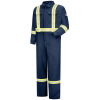


Economically Priced Nomex IIIA Unlined Coverall Style GT.123
Price range: $303.75 through $357.75
Economically Priced Nomex IIIA Unlined Coverall Style GT.123
| Shell Fabric | Nomex IIIA Permanent Fire & Arc Resistant (6 oz.) |
| Lining | N/A |
| Standards | ATPV 5.7 Cal/cm2 HRC 1 |
| Features |
|
SIZING CONVERSION CHART
| Size | Waist | Chest |
| 32 | 26 | 32 |
| 34 | 28 | 34 |
| 36 | 30 | 36 |
| 38 | 32 | 38 |
| 40 | 34 | 40 |
| 42 | 36 | 42 |
| 44 | 38 | 44 |
| 46 | 40 | 46 |
| 48 | 42 | 48 |
| 50 | 44 | 50 |
| 52 | 46 | 52 |
| 54 | 48 | 54 |
| 56 | 50 | 56 |
| 58 | 52 | 58 |
| 60 | 54 | 60 |
| 62 | 56 | 62 |
| 64 | 58 | 64 |
Nomex Coveralls: Safety, Quality, and Versatility
Nomex coveralls are a crucial component of personal protective equipment (PPE) for individuals working in industries where exposure to fire and heat hazards is a constant concern. These flame-resistant garments offer unparalleled protection, durability, and comfort, making them an essential choice for workers in fields such as oil and gas, electrical utilities, manufacturing, and firefighting.
Nomex coveralls are designed to meet the unique safety requirements of various work environments. Whether workers are exposed to extreme heat, electrical hazards, or chemical risks, there is a suitable type of coveralls to provide optimal protection.
Coveralls for Electrical Utilities
Electrical utilities workers face the risk of electrical arc flashes and electric shock. Nomex coveralls designed for electrical utilities offer inherent flame resistance and protection against electric arcs. These coveralls are engineered to self-extinguish, preventing the spread of flames in the event of an arc flash.
Coveralls for Oil and Gas Industry
The oil and gas industry presents various hazards, including fire, heat, and chemical exposure. Nomex coveralls designed for the oil and gas industry offer exceptional flame resistance, thermal protection, and resistance to chemicals. These coveralls are engineered to withstand the harsh conditions of oil rigs, refineries, and pipelines, ensuring the safety and well-being of workers.
Coveralls for Manufacturing
Manufacturing facilities involve a wide range of tasks, from assembling components to operating heavy machinery. Nomex coveralls for manufacturing protect against sparks and other fire and heat hazards. These coveralls are designed to be durable and comfortable, allowing workers to perform their tasks safely and efficiently.
Coveralls for Firefighting
Firefighters face some of the most challenging fire and heat hazards. Nomex coveralls for firefighting offer the highest level of protection against flames, heat, and sparks. These coveralls are specifically designed to meet stringent industry standards such as the NFPA 1977 and provide firefighters with the necessary thermal protection and comfort to perform their duties effectively.
By understanding the specific requirements of different work environments, you can choose the most suitable type of Nomex coveralls for your industry or job role. In the next section, we will explore the factors to consider when selecting the right ppe.
Choosing the Right Nomex Coveralls
Selecting the right Nomex coveralls is crucial to ensure optimal safety and comfort for workers. With a wide range of options available, it’s essential to consider several factors when making your decision.
Assessing Safety Standards and Certifications
When selecting Nomex coveralls, it’s crucial to ensure that they meet relevant safety standards and certifications. Look for coveralls that comply with industry standards such as NFPA 2112 (National Fire Protection Association) Standard on Flame-Resistant Clothing for Protection of Industrial Personnel Against Short-Duration Thermal Exposures from Fire for flame-resistant garments. Additionally, check for certifications from recognized organizations such as UL (Underwriters Laboratories) and the ASTM.
Evaluating Material Composition and Properties
Nomex coveralls come in different material compositions, each offering unique properties and benefits. Assess the specific requirements of your work environment and choose coveralls that offer the necessary flame resistance, thermal protection, and durability. Consider factors such as the presence of sparks, molten metal splashes, or exposure to chemicals when evaluating material options.
Sizing and Fit Considerations
Proper sizing and fit are crucial for the effectiveness and comfort of Nomex coveralls. Ill-fitting coveralls may restrict movement, impairing the wearer’s ability to perform their tasks safely. Ensure that coveralls are available in a range of sizes to accommodate workers of different body types. Consider factors such as sleeve and leg length, waist and chest measurements, and adjustability features when selecting the right size.
Style and Design Features
While safety is paramount, considering style and design features can enhance wearers’ comfort and satisfaction. Look for coveralls with features such as adjustable cuffs, elastic waistbands, and multiple pockets for added convenience. Consider whether additional accessories such as hoods or detachable sleeves are necessary for specific tasks or work environments.
Care and Maintenance of Nomex Coveralls
Proper care and maintenance of Nomex coveralls are essential to ensure their long-term effectiveness and protection. By following the recommended guidelines, you can extend the lifespan of your coveralls and preserve their flame-resistant properties.
Washing Procedures and Recommendations
Nomex coveralls should be washed regularly to remove dirt, grease, and other contaminants that may compromise their protective properties. Follow the washing instructions provided by the manufacturer, as specific procedures may vary depending on the type of Nomex coveralls and any additional features or accessories. Generally, it is recommended to wash them separately from other garments to avoid cross-contamination.
Use a mild detergent and avoid bleach or fabric softeners, as they can diminish the flame resistance of the fabric. Wash coveralls in warm water, avoiding excessively hot water that may damage the fabric. Ensure that coveralls are thoroughly rinsed to remove all detergent residue.
Drying and Ironing Guidelines
After washing, Nomex coveralls should be dried properly to maintain their integrity. Tumble drying on a low heat setting is generally recommended. Avoid over-drying, as excessive heat can cause shrinkage or damage to the fabric. Remove coveralls from the dryer promptly to minimize wrinkling.
Ironing Nomex coveralls is generally not recommended, as excessive heat can damage the fabric. However, if ironing is necessary, use a low heat setting and place a protective cloth between the iron and the fabric to avoid direct contact.
Repairing and Replacing Damaged Coveralls
Regularly inspect Nomex coveralls for any signs of damage, such as fraying, tears, or holes. Damaged coveralls should be repaired promptly to ensure their continued effectiveness. Follow the manufacturer’s recommendations for repair procedures, or consult a professional garment repair service.
If coveralls are extensively damaged or no longer meet safety standards, they should be replaced. It is crucial to prioritize worker safety and ensure that coveralls are in optimal condition to provide the necessary protection.
| Weight | 1.5 kg |
|---|---|
| Dimensions | 45 × 30 × 20 cm |
| Choose Size | 34 Reg, 34 Tall, 36 Reg, 36 Tall, 38 Reg, 38 Tall, 40 Reg, 40 Tall, 42 Reg, 42 Tall, 44 Reg, 44 Tall, 46 Reg, 46 Tall, 48 Reg, 48 Tall, 50 Reg, 50 Tall, 52 Reg, 52 Tall, 54 Reg, 54 Tall, 56 Reg, 56 Tall, 58 Reg, 58 Tall, 60 Reg, 60 Tall, 62 Reg, 62 Tall, 64 Reg, 64 Tall |
| Colour | Royal Blue, Camouflage |
Be the first to review “Economically Priced Nomex IIIA Unlined Coverall Style GT.123”
Related products
Nomex Clothing
$43.00
This product has multiple variants. The options may be chosen on the product page 

Nomex Coveralls
Price range: $290.25 through $344.25
This product has multiple variants. The options may be chosen on the product page 

Price range: $33.40 through $40.00
This product has multiple variants. The options may be chosen on the product page 

Out of stock
Nomex Coveralls
Price range: $506.25 through $609.25
This product has multiple variants. The options may be chosen on the product page 

Nomex Coveralls
Price range: $305.25 through $366.30
This product has multiple variants. The options may be chosen on the product page 

Nomex Coveralls
Price range: $366.00 through $484.00
This product has multiple variants. The options may be chosen on the product page 

Nomex Clothing
$86.00
This product has multiple variants. The options may be chosen on the product page 

Out of stock
Nomex Overalls
Price range: $713.80 through $856.60
This product has multiple variants. The options may be chosen on the product page
Reviews
There are no reviews yet.