
No products in the cart.
Uncategorized
Difference between Nomex and treated cotton FR coveralls for electrical work
Choosing the Right Shield: Nomex vs. Treated Cotton for Electrical Safety
In the world of electrical maintenance and industrial safety, “fire resistant” (FR) is not a single category, but a spectrum of technologies. For professionals working near energized equipment, the choice between Nomex® and FR Cotton (often referred to as FRT or Westex UltraSoft® types) is one of the most critical procurement decisions.
While both satisfy basic safety standards, their performance, longevity, and cost structures differ significantly.
- Inherent Protection vs. Chemical Treatment
- Durability and Lifecycle Cost
- Compliance Standards
- Which Should You Choose?
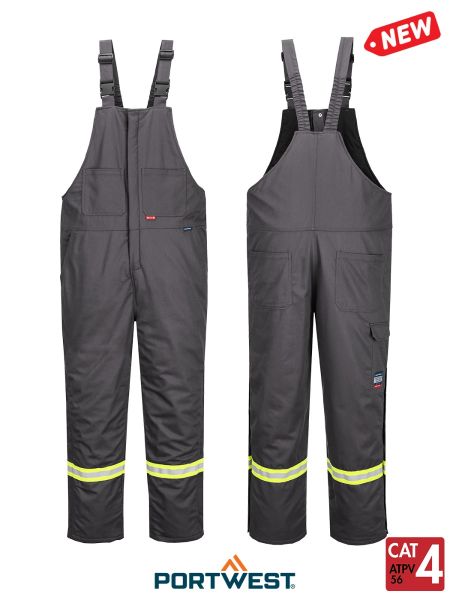
1. Inherent Protection vs. Chemical Treatment
The fundamental difference lies in how the fabric achieves its flame resistance.
- Nomex (Inherent): Nomex is an aramid fiber. The flame-resistant properties are baked into the molecular structure of the fiber itself. It is not a coating or a finish; the material is simply non-flammable by nature.
- Treated Cotton (FRT): This begins as natural cotton (often blended with a small percentage of high-tenacity nylon for strength). The fabric then undergoes a chemical process—such as the “Proban” or “Pyrovatex” method—where an ammonia-cure flame retardant is bonded to the fibers.
2. Thermal Performance and Arc Flash Protection
When an arc flash occurs, the goal of the coverall is to prevent “break-open” and provide a thermal barrier to minimize second and third-degree burns.
- Char Strength: Nomex has a very high “char strength.” When exposed to heat, it thickens and carbonizes, staying intact rather than melting or dripping. This prevents the arc’s heat from reaching the skin through holes in the garment.+1
- Insulation: Treated cotton is often heavier in weight (8 oz or 9 oz) compared to Nomex (4.5 oz or 6 oz). While cotton provides excellent insulation due to its thickness, it can be more prone to “break-open” under extreme thermal pressure compared to aramid blends.
3. Durability and Lifecycle Cost
While treated cotton is significantly cheaper upfront, the long-term math often favors Nomex.
| Feature | Nomex (Inherent) | Treated Cotton (FRT) |
| Washing | Protection cannot be washed out. | Protection can degrade if washed with bleach or hard water. |
| Durability | High abrasion resistance; lasts 3–5 years. | Lower abrasion resistance; lasts 1–2 years. |
| Shrinkage | Very low (approx. 1–2%). | Higher (can be 3–5% over time). |
| Initial Cost | High. | Low to Moderate. |
Export to Sheets
4. Comfort and Breathability
This is often the deciding factor for crews working in variable climates:
- Treated Cotton: Generally wins on initial comfort. It feels like a standard heavy denim or twill, absorbs moisture (sweat) well, and is perceived as more “breathable” by many workers.
- Nomex: Modern Nomex (like Nomex IIIA) is much lighter than older versions. However, because it does not absorb moisture as efficiently as cotton, it can feel “slick” or “hot” in high-humidity environments.
5. Compliance Standards
For electrical work, both materials can be engineered to meet:
- NFPA 70E: Standard for Electrical Safety in the Workplace.
- CSA Z462: The Canadian equivalent for workplace electrical safety.
- ASTM F1506: The performance specification for textile materials for wearing apparel for use by electrical workers.
Which Should You Choose?
Choose Nomex if:
- You are looking for a long-term investment (4+ years of use).
- Your crews work in high-intensity environments where weight reduction (lightweight 4.5 oz fabric) is a priority.
- You want the peace of mind that the FR properties can never be accidentally “laundered out.”
Choose Treated Cotton if:
- You have a high turnover of staff or a lower initial budget.
- Comfort and moisture absorption are the primary complaints from your field crews.
- The work environment involves heavy grease, oil, or paints that might ruin a garment long before its protective lifespan is over.
Safety Note: Regardless of the material, always check the Arc Thermal Performance Value (ATPV) or Energy of Breakopen (EBT) rating on the garment label to ensure it meets the specific Category (CAT) level required for your electrical task.
Below is a detailed breakdown of the NFPA 70E Arc Flash Categories, the required minimum Arc Thermal Performance Value (ATPV), and how Nomex and Treated Cotton typically fit into these levels.
Arc Flash PPE Categories (NFPA 70E)
The standard defines four distinct categories based on the level of risk and the potential incident energy of an electrical arc. Each category requires a minimum protection level measured in calories per square centimeter (cal/cm2).
| PPE Category | Minimum Arc Rating (cal/cm2) | Common Garment Configuration | Typical Material Choice |
| Category 1 | 4 cal/cm2 | Single-layer FR shirt and pants (or coverall). | Nomex IIIA |
| Category 2 | 8 cal/cm2 | Heavier FR shirt/pants or coverall + Face shield. | Heavy Treated FR Cotton |
| Category 3 | 25 cal/cm2 | Multi-layer “Flash Suit” (jacket, bibs, and hood). | Multi-layer Nomex/Kevlar blends or heavy treated FR cotton. |
| Category 4 | 40 cal/cm2 | High-energy “Flash Suit” (heavy multi-layering). | Specialized high-performance aramid/carbon fiber blends. |
Key Considerations for Selection
- The “Layering” Rule: You can achieve a higher category rating by layering garments (e.g., wearing a Category 1 Nomex shirt under a Category 2 Treated Cotton coverall). However, the combined rating is not a simple addition of the two numbers. It must be tested as a “system” by the manufacturer.
- The 1.2 Calorie Threshold: 1.2 cal/cm2 is the threshold at which a second-degree burn occurs. Any electrical work with an incident energy above this level requires FR clothing.
- Weight vs. Protection: * Nomex tends to reach lower cal/cm2 rating because of the lower fabric weights. For example, a 6 oz. Nomex garment will provide less protection then a 9 oz. treated cotton garment.
- Treated Cotton is often preferred for Category 2 because it is the most common “daily wear” weight (7 oz. to 9 oz.) and is generally more affordable for large crews.
Safety Warning: Always refer to the Arc Flash Study labels on the specific electrical equipment you are servicing. The label will dictate the minimum cal/cm2 required for that specific “incident energy” zone.
🔥 FAQ: Nomex® vs. Treated Cotton FR Coveralls for Electrical Work❓
What is the main difference between Nomex and treated cotton FR coveralls?
Nomex is inherently flame‑resistant, meaning its protection is built into the fiber structure and cannot wash out. Treated cotton (FRT) is regular cotton that becomes flame‑resistant through a chemical treatment process.
Which FR material offers better long-term protection?
Nomex generally offers more consistent long-term protection because its FR properties never degrade with laundering. FR cotton can lose protection if washed incorrectly (e.g., with bleach or hard water).
Which flame-resistant fabric lasts longer?
Nomex typically lasts 3–5 years, thanks to high abrasion resistance. Treated cotton usually lasts 1–2 years, depending on wear and laundering conditions.
Which FR material is more comfortable?
Treated cotton feels more like traditional workwear—soft, breathable, and moisture‑absorbing.
Nomex is lighter but can feel warmer or less breathable in humid environments.
Is Nomex safer than treated cotton for arc flash protection?
Both can meet NFPA 70E, CSA Z462, and ASTM F1506 standards. However:
Nomex has superior char strength, resisting break‑open during arc flash events.
Treated cotton often provides higher insulation due to heavier fabric weights.
Which FR material is better for Category 1 or Category 2 arc flash PPE?
Category 1 (4 cal/cm²): Nomex IIIA is commonly used.
Category 2 (8 cal/cm²): Heavier treated cotton is often preferred due to affordability and insulation.
Does Nomex cost more?
Yes. Nomex has a higher upfront cost, but often a lower lifecycle cost because it lasts longer and maintains its FR properties indefinitely.
Can FR protection wash out of treated cotton?
No but improper laundering (bleach, hard water, high heat) can degrade the fabric. Nomex’s protection cannot wash out.
Which material is better for hot or humid environments?
Treated cotton is usually preferred because it absorbs moisture and feels more breathable.
Which should I choose for high‑turnover crews or messy work environments?
Treated cotton is ideal when garments are likely to be damaged by grease, oil, or paint before their protective lifespan ends as they are generally a much lower price then Nomex.
Can layering Nomex and treated cotton increase protection?
Yes, but layering does not simply add ATPV values. The combination must be tested as a system by the manufacturer.
What is the minimum arc rating required for electrical work?
Any task with incident energy above 1.2 cal/cm² requires FR clothing. Always refer to the Arc Flash Study label on the equipment you’re working on.
Which material is better overall?
Choose Nomex if you want:
Long-term durability
Lightweight daily wear
FR protection that never washes out
Choose FR Cotton if you want:
Lower upfront cost
Maximum comfort
A practical option for high-turnover or dirty work environments
