
No products in the cart.
Uncategorized
Understanding Wildland Firefighter Clothing: A Comprehensive Guide to NFPA 1977 Standards
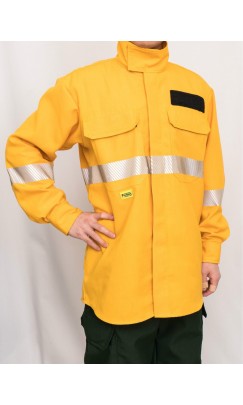
Wildland firefighting is a demanding profession that requires specialized clothing designed to protect firefighters from the unique hazards they face. The National Fire Protection Association (NFPA) has established standards, particularly NFPA 1977, which outlines the requirements for protective clothing and equipment used in wildland firefighting operations such as those found on the following web page.
Wildland Firefighting Clothing
This article delves into the critical aspects of wildland firefighter clothing, emphasizing the importance of NFPA 1977 certification, fabric technology, and the essential features that enhance safety and performance.
- The Importance of NFPA 1977 Certification
- Fabric Technology: A Game Changer in Firefighter Safety
- Evaluating Protective Properties: Radiant Heat Protection
- Key Features of Wildland Firefighter Clothing
- The Role of Accessories in Wildland Firefighting Gear
- Maintenance and Care of Wildland Firefighter Clothing
The Importance of NFPA 1977 Certification
Overview of NFPA Standards
The NFPA is a leading authority in establishing safety standards for various sectors, including firefighting. NFPA 1977 specifically addresses the protective clothing and equipment necessary for personnel engaged in wildland firefighting. This standard is crucial as it ensures that the gear worn by firefighters meets rigorous safety criteria, thereby enhancing their protection against environmental hazards.
Key Requirements of NFPA 1977
When selecting wildland firefighting gear, the first consideration should always be whether the clothing is certified to NFPA 1977. This certification guarantees that the fabric and construction of the gear adhere to established safety protocols. Key requirements include:
- Flame Resistance: The clothing must be made from materials that provide adequate protection against flames and heat.
- Durability: The gear should withstand the rigors of wildland firefighting, including exposure to harsh environmental conditions.
- Comfort and Fit: Proper fit is essential for mobility and effectiveness during firefighting operations.
Implications of Non-Compliance
Choosing clothing that does not meet NFPA 1977 standards can have dire consequences. Firefighters may be exposed to increased risks, including severe burns and injuries. Therefore, it is imperative for departments and individual firefighters to prioritize compliance with these standards when selecting their gear.
Fabric Technology: A Game Changer in Firefighter Safety
Evolution of Fire-Resistant Fabrics
Gone are the days when denim and cotton were the standard materials for wildland firefighting clothing. Advances in fabric technology have led to the development of specialized materials that significantly enhance firefighter safety and performance. These fabrics are engineered to provide superior protection against heat and flames while ensuring comfort and breathability.
Inherent vs. Treated Fire Resistance
Understanding the difference between inherent and treated fire-resistant fabrics is crucial for making informed purchasing decisions:
- Inherent Fire Resistance: These fabrics are made from fibers that are naturally flame-resistant. They maintain their protective qualities throughout the garment’s lifespan, making them a reliable choice for wildland firefighters.
- Treated Fire Resistance: These fabrics are typically made from non-FR materials, such as cotton, that have undergone a chemical treatment to impart fire resistance. While they may be less expensive initially, the fabric can degrade over time, compromising safety.
Long-Term Cost Considerations
While treated fabrics may seem more affordable upfront, they often lead to higher long-term costs due to the need for frequent replacements. In contrast, inherently fire-resistant fabrics, although initially more expensive, provide lasting protection and durability, making them a more economical choice over time.
Evaluating Protective Properties: Radiant Heat Protection
Understanding Radiant Protective Performance (RPP)
One of the critical factors in evaluating wildland firefighter clothing is its ability to protect against radiant heat. This is quantified by Radiant Protective Performance (RPP), which measures the time it takes for a fabric to allow second-degree burns to occur when exposed to a specific heat level.
- Minimum RPP Standards: NFPA 1977 mandates a minimum RPP of 7 seconds for wildland fabrics. However, advancements in fabric technology have led to options with RPP ratings exceeding 11 seconds, providing enhanced protection for firefighters.
Selecting the Right RPP for Your Needs
For Type 2 crews and personnel who do not engage directly with flames, adhering to the NFPA 1977 minimum RPP is generally sufficient. However, Type 1 crews and those operating in wildland-urban interfaces should consider investing in fabrics with higher RPP ratings to ensure maximum safety.
Key Features of Wildland Firefighter Clothing
Breathability and Comfort
In addition to flame resistance, breathability is a vital feature of wildland firefighter clothing. Firefighters often work in extreme heat, and clothing that allows for airflow can help regulate body temperature and reduce the risk of heat-related illnesses. Look for garments with moisture-wicking properties that keep the wearer dry and comfortable.
Durability and Construction Quality
The construction quality of wildland firefighter clothing is paramount. Garments should be designed to withstand the rigors of firefighting, including abrasion from rough terrain and exposure to harsh environmental conditions. Reinforced seams, durable zippers, and high-quality stitching are essential elements to consider when evaluating clothing options.
Visibility and Reflective Elements
Visibility is another critical aspect of firefighter safety. Clothing should incorporate high-visibility colors and reflective elements to ensure that firefighters are easily seen, especially in low-light conditions. This is particularly important during nighttime operations or in areas with heavy smoke.
The Role of Accessories in Wildland Firefighting Gear
Essential Accessories for Enhanced Protection
In addition to protective clothing, various accessories can enhance a firefighter’s safety and performance. These include:
- Helmets: Designed to protect against falling debris and heat, helmets are a crucial component of wildland firefighting gear.
- Gloves: Fire-resistant gloves provide hand protection while allowing for dexterity during operations.
- Face Shields and Masks: These accessories protect against smoke inhalation and radiant heat, ensuring that firefighters can operate safely in hazardous environments.
Selecting the Right Accessories
When choosing accessories, it is essential to ensure that they are also compliant with NFPA standards. Just like clothing, accessories should be made from high-quality, flame-resistant materials to provide adequate protection.
Maintenance and Care of Wildland Firefighter Clothing
Importance of Proper Care
To ensure the longevity and effectiveness of wildland firefighter clothing, proper maintenance and care are essential. Regular cleaning and inspection can help identify any wear or damage that may compromise safety.
Cleaning Guidelines
Follow the manufacturer’s guidelines for cleaning and maintaining wildland firefighting gear. Generally, it is recommended to:
- Use mild detergents specifically designed for fire-resistant fabrics.
- Avoid bleach or fabric softeners, as these can degrade the protective qualities of the material.
- Air dry garments whenever possible to prevent damage from high heat.
Regular Inspections
Firefighters should conduct regular inspections of their gear to check for signs of wear, damage, or contamination. Any compromised clothing should be replaced immediately to ensure ongoing protection.
The Future of Wildland Firefighter Clothing
Innovations on the Horizon
As technology continues to advance, the future of wildland firefighter clothing looks promising. Innovations in fabric technology, design, and construction methods are expected to enhance safety and performance further. Future developments may include:
- Smart Fabrics: Incorporating sensors that monitor temperature and moisture levels, providing real-time feedback to firefighters.
- Sustainable Materials: The use of eco-friendly fabrics that maintain high safety standards while reducing environmental impact.
The Importance of Staying Informed
Firefighters and departments must stay informed about the latest advancements in clothing technology and NFPA standards. Regular training and education can help ensure that personnel are equipped with the most effective and safe gear available.
Conclusion
In conclusion, selecting the right wildland firefighter clothing is a critical decision that directly impacts safety and performance. Adhering to NFPA 1977 standards, understanding fabric technology, and prioritizing essential features such as breathability, durability, and visibility are paramount. By investing in high-quality, compliant gear and accessories, firefighters can ensure their safety while effectively combating wildfires. As technology continues to evolve, staying informed about advancements in protective clothing will be essential for the ongoing safety and effectiveness of wildland firefighting operations.
This article provides a comprehensive overview of wildland firefighter clothing, emphasizing the importance of NFPA 1977 certification and the advancements in fabric technology that enhance safety and performance. By following the guidelines outlined in this article, firefighters can make informed decisions about their gear, ensuring they are well-protected in the line of duty.
FAQ’s For NFPA 1977 Clothing
What is the NFPA 1977 Standard?
NFPA 1977 is the North American standard that establishes the minimum requirements for protective clothing and equipment specifically for wildland firefighting. It ensures that gear is designed to protect against the unique hazards of wildland environments, such as radiant heat and short-term flame contact, while also addressing the physical demands placed on the wearer.
Why is NFPA 1977 different from structural firefighting gear (NFPA 1971)?
Structural gear is designed for high-intensity, short-duration heat (like entering a burning building). In contrast, wildland gear (NFPA 1977) is designed for long-duration activities in outdoor environments. It is lighter and more breathable to prevent heat stroke and exhaustion, which are the primary risks for wildland crews who often hike long distances and perform heavy labor.
What is RPP (Radiant Protective Performance)?
RPP measures how long a fabric can block radiant heat before a second-degree burn would occur. Under NFPA 1977, the minimum requirement is typically a rating of 7.0 cal/cm² for lined garments or 6.0 cal/cm² for single-layer garments.
What is THL (Total Heat Loss)?
THL is a critical metric for wildland safety. it measures the fabric’s breathability and its ability to allow body heat and sweat to escape. Higher THL values mean the garment is better at cooling the wearer, reducing the risk of heat-related illnesses.
What is the difference between “Inherently Flame-Resistant” and “Treated” fabrics?
Inherently FR: The fibers themselves are fire-resistant (e.g., Nomex® or Kevlar®). This protection cannot be washed out or worn away.
Treated FR: Common fabrics like cotton are chemically treated to be fire-resistant.
Why is most wildland gear yellow?
Yellow is the industry standard because it provides the highest visibility in dark, smoky, or forested environments. This ensures that firefighters remain visible to their team and to aircraft operators during drops.
How should wildland clothing fit?
Wildland garments should have a loose fit. Tight-fitting clothing reduces the “air gap” between the fabric and the skin, which is necessary for thermal insulation and ventilation. A loose fit also provides the range of motion needed for digging fire lines and climbing steep terrain.
How should I clean my NFPA 1977 gear?
To maintain the integrity of the fabric:
Wash in warm water (approx. 40–60°C).
Use mild detergents.
Never use chlorine bleach or fabric softeners, as these can damage the FR properties and weaken the fibers.
Check for grease or oil stains, as these are flammable and must be removed before the garment is worn back on the fire line.
When should I replace my wildland gear?
Gear should be retired if it has holes, tears, or significant thinning that cannot be repaired with FR-compliant materials. Additionally, if the garment has been exposed to extreme heat and shows signs of “charring” or brittleness, it has served its purpose and must be replaced to ensure safety.
