
No products in the cart.
flame-resistant-clothing
Nomex Coveralls for Oilfield Jobs
28
Jun
Jun
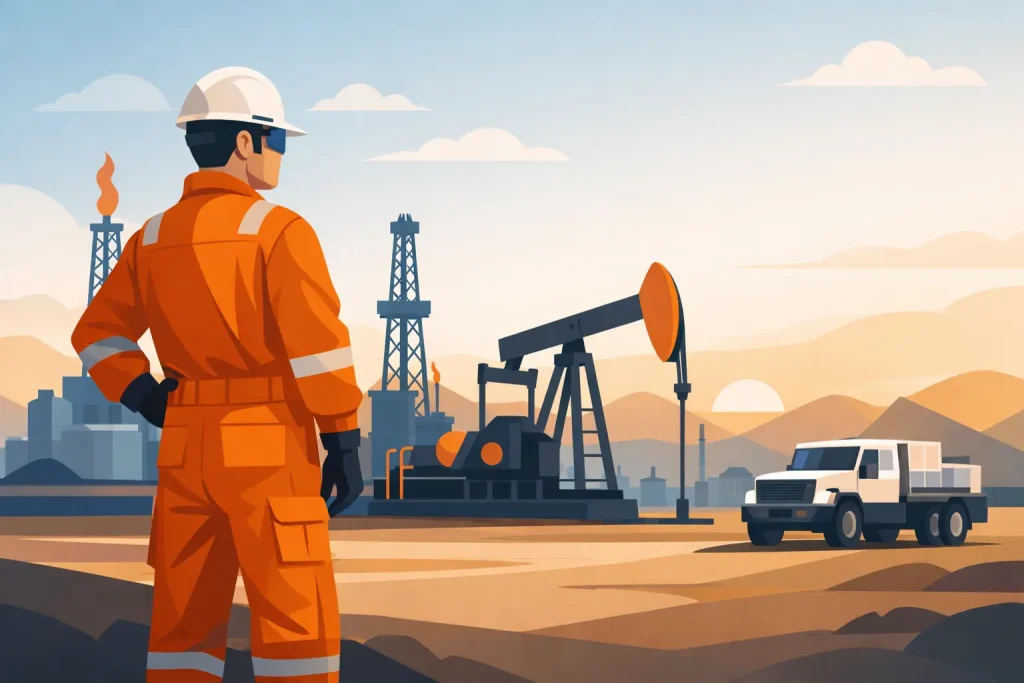
On an oilfield site, coveralls are not just another uniform line item. They are part of the hazard control plan, and when flash fire risk is part of the job, nomex coveralls for oilfield crews are often the standard buyers come back to because they balance protection, durability, and repeat wear.
That does not mean every Nomex coverall is right for every crew, task, or season. Oil and gas operations vary widely, from drilling and well servicing to production, maintenance, tank work, and transportation support. The right garment choice depends on hazard assessment, site requirements, climate, laundering practices, and how hard the crew is on clothing.
Why nomex coveralls for oilfield work are widely used
Nomex is well known in industrial FR clothing because the flame-resistant protection is built into the fiber rather than applied as a finish. In practical terms, that matters on oilfield jobs where garments see frequent washing, abrasion, dirt, grease, and long shifts. Buyers are usually looking for gear that holds up over time without losing the performance they are paying for.
For oilfield applications, one of the main reasons Nomex remains a common choice is consistency. Crews need garments they can wear daily, not specialty gear that only comes out for certain tasks. A good Nomex coverall can provide full-body FR protection in a single garment, simplify uniforming, and reduce the chance of exposed base layers during active work.
There is also a durability argument. Oilfield work is hard on knees, elbows, cuffs, zippers, and seams. A garment that meets the hazard requirement but wears out too quickly creates another problem for supervisors and purchasing teams. Replacement cycles get expensive fast when crews are rotating through damaged coveralls every few months.
Compliance matters, but the hazard still comes first
This is where buyers need to stay precise. FR is not one blanket category. Standards apply to different hazards, and mixing them up can lead to poor purchasing decisions.
For flash fire hazards in oil and gas environments, buyers often look for garments compliant with NFPA 2112 or CAN/CGSB 155.20, depending on company policy and jurisdictional requirements. If the job also includes electrical exposure, you may need to consider arc flash requirements under NFPA 70E or CSA Z462. Those are not interchangeable standards. A garment can be suitable for one hazard category and not fully address another.
For safety managers, the right approach is simple. Start with the hazard assessment, then match the coverall to the work environment. Do not assume that any FR-labeled coverall is enough for oilfield use. Check the garment labeling, certification details, and performance specifications before ordering for a crew.
What to look for in oilfield Nomex coveralls
The right coverall usually comes down to a few operational details more than marketing claims. Fabric weight is one of them. Lighter-weight garments can improve mobility and help in hot conditions, but they may not hold up as well in very abrasive environments. Heavier options may last longer and feel more substantial, but they can be hotter and less comfortable during summer work or in southern regions.
Fit is another issue that gets overlooked during purchasing. If coveralls are too tight through the shoulders, seat, or knees, workers fight the garment all shift and may stress seams early. If they are too loose, they can snag more easily and become harder to layer under outerwear or rain gear. Oilfield crews climb, crouch, reach, and work around tools and equipment. Mobility is not a luxury feature. It affects wear life and worker acceptance.
Pocket design matters too. Workers need storage, but badly placed or oversized pockets can add bulk and interfere with harnesses, gloves, and daily movement. Look at whether the layout supports actual field use. Chest pockets, pass-through access, tool storage, and secure closures can all make a difference depending on the role.
Closures and trim deserve attention. Heavy-duty zippers, strong snaps, reinforced stress points, and properly built cuffs usually tell you more about long-term value than a product photo alone. If your crews work in low-light or roadside conditions, high-visibility elements may also be required, but that should be handled according to the specific visibility standard and site rule, not added casually.
Comfort is not separate from safety
Some buyers still treat comfort as secondary, but on oilfield sites, comfort affects compliance. If workers overheat, lose range of motion, or dislike the fit, they are more likely to wear garments improperly, unzip them too far, or push back against standard issue clothing.
That is why breathable construction, action backs, gusseted designs, and sensible sizing can matter as much as basic FR labeling. A coverall that workers will actually wear correctly through a full shift is usually the better safety choice than a technically acceptable garment that causes daily complaints.
Season also changes the equation. Winter operations may require layering, and that means thinking about sizing allowances and how the coverall works with insulated FR outerwear. Summer conditions can push buyers toward lighter fabric weights or designs intended to improve airflow. There is rarely one perfect coverall for every month of the year on every site.
Buying for one worker versus buying for a crew
An individual worker can focus on fit, preferred features, and personal wear patterns. A purchasing manager has a different job. Crew buying has to balance compliance, stock availability, price control, size runs, replacement planning, and consistency across departments.
That is one reason many industrial buyers prefer sourcing through a supplier that understands technical workwear categories instead of treating FR apparel like general clothing. When you are ordering Nomex garments, arc-rated items, high-visibility apparel, and everyday site essentials together, category accuracy matters. A supplier such as Coverallsale, operating as Safety Protection Warehouse Canada, fits that model because the focus stays on specification-driven workwear rather than casual apparel.
For larger programs, standardization usually pays off. Fewer garment variations make sizing, reordering, and training easier. But standardization only works when the selected coverall matches the actual field conditions. If one division is doing light production work and another is doing heavy maintenance in harsher conditions, separate garment selections may be justified.
Common mistakes when choosing Nomex coveralls
The first mistake is buying strictly on price. Low upfront cost can look attractive until garments wear out early, workers reject the fit, or the item does not match the required hazard profile. Then the savings disappear in replacements and administrative cleanup.
The second mistake is treating all FR coveralls as equivalent. They are not. Fabric systems, certifications, garment construction, and intended use differ. Buyers should compare product details carefully instead of relying on the word FR alone.
The third mistake is ignoring laundering and care. Even a strong garment can have a shorter service life if it is washed improperly or exposed to damaging contaminants without correct maintenance procedures. If your operation uses an industrial laundry program, make sure the garments selected are compatible with that process.
The fourth mistake is forgetting the rest of the PPE system. Coveralls are one part of worker protection. Base layers, outerwear, gloves, head protection, visibility requirements, and task-specific PPE all need to work together.
How to make a better purchasing decision
Start with the hazard. Confirm whether the job exposure is flash fire, arc flash, or multiple hazards, and buy accordingly. Then look at the work pattern. Is the crew in a hot climate, moving constantly, climbing equipment, or working in abrasive contact areas all day? Those conditions affect what fabric weight and garment construction make sense.
After that, focus on wear life and user acceptance. Ask whether the coverall will stay in service, whether workers can move comfortably, and whether the design supports the job instead of slowing it down. Finally, make sure reordering will be manageable. If sizes, variants, and stock continuity are inconsistent, even a good garment can become a poor long-term choice.
Common Questions
Are Nomex coveralls required on every oilfield site?
No. Requirements depend on the hazard assessment, company policy, and site rules. Many oil and gas operations require FR clothing for flash fire risk, but the exact garment specification can vary by task and exposure.
Is NFPA 2112 the same as NFPA 70E?
No. NFPA 2112 addresses flame-resistant garments for protection against flash fire. NFPA 70E addresses electrical safety in the workplace, including arc flash considerations. They apply to different hazards.
How long do Nomex coveralls usually last?
It depends on fabric weight, garment construction, laundering, and how demanding the job is. In lighter-duty use they may last longer, while heavy abrasion, repeated repairs, and harsh wash cycles can shorten service life.
Should oilfield buyers choose lightweight or heavyweight Nomex coveralls?
It depends on climate and task. Lightweight styles may improve comfort and mobility in heat, while heavier styles may offer better durability in rougher work conditions. The right choice is usually site-specific.
A good coverall earns its place by holding up on the job, matching the hazard, and making repeat ordering easier for the next shift, the next season, and the next crew.
