
No products in the cart.
Industrial Workwear
Full Face Respirator Mask Buying Guide
07
Jul
Jul
A full face respirator mask earns its place when safety glasses and a half mask are not enough. If the task exposes workers to airborne contaminants and eye irritation at the same time, a full face setup can simplify PPE selection and improve coverage. The key is choosing the right respirator for the hazard, not just the one with the highest price or the most accessories.
For industrial buyers, supervisors, and crew leads, that means looking past the facepiece alone. A respirator system only performs as expected when the mask, filters or cartridges, fit, maintenance routine, and use conditions all line up with the actual exposure on the job.
When a full face respirator mask makes sense
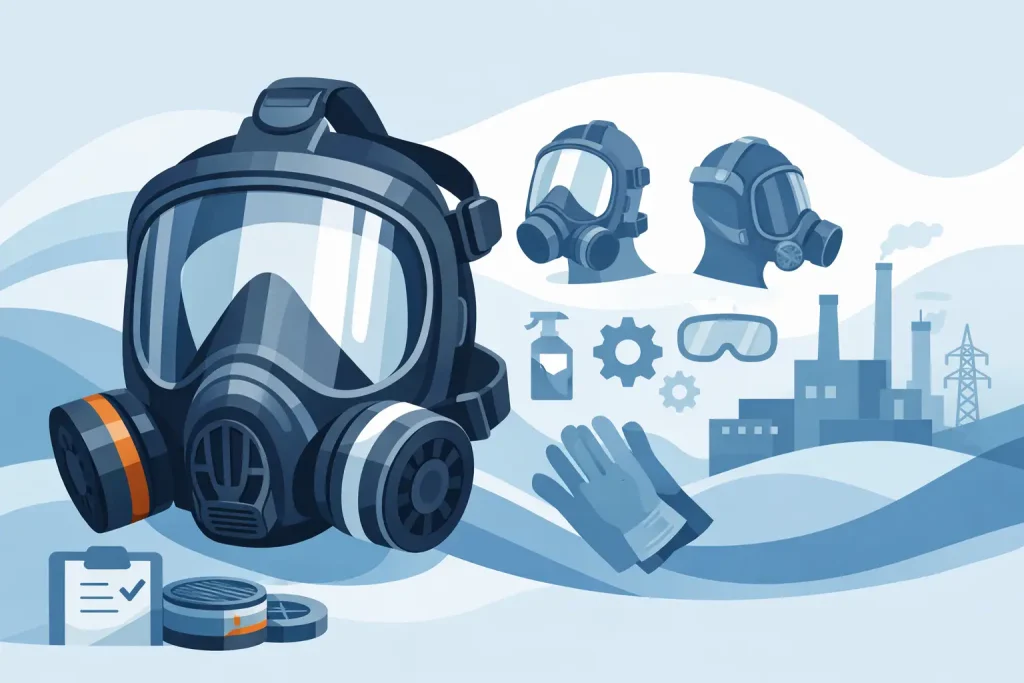
A full face respirator mask covers the nose, mouth, and eyes in one unit. That matters in environments where airborne particles, mists, fumes, or certain vapors can also irritate or injure the eyes. Paint spraying, chemical handling, sanding, grinding, spray cleaning, and some maintenance tasks are common examples.
Compared with a half mask, the full face design adds eye and face protection while often providing a higher assigned protection factor when properly selected and fitted. That can make it the better option for tighter exposure limits or harsher work conditions. It can also reduce the need to coordinate separate goggles with the respirator, which helps when workers are moving between tasks and need a more stable setup.
That said, more coverage comes with trade-offs. Full face units are bulkier, cost more, and can feel warmer during long shifts. Communication can also suffer, especially in high-noise areas where workers already rely on hand signals or radios.
What a full face respirator mask does and does not do
This is where buyers need to stay precise. A full face respirator mask is not one single protection level for every hazard. Different models use different filter and cartridge combinations, and each one is built for specific contaminants.
For particulate hazards such as dust, metal fumes, and certain mists, the respirator may use particulate filters. For organic vapors, acid gases, or other chemical exposures, it will require the correct chemical cartridges, sometimes combined with particulate filtration in a stacked or integrated configuration.
It also has limits. Air-purifying respirators do not supply oxygen and are not for oxygen-deficient atmospheres or unknown concentrations. If the environment has an IDLH risk or a possible oxygen shortage, a supplied-air or SCBA solution may be required instead. That decision should come from the hazard assessment, not product preference.
Key buying factors before you place an order
The first question is simple: what exactly is in the air? Dust from concrete cutting is not the same as solvent vapor in a paint booth, and neither one should be treated like chlorine or ammonia exposure. Cartridge and filter selection has to match the contaminant.
The second question is duration. A task that lasts fifteen minutes a day may call for a different setup than all-day wear in a production area. Long wear time affects comfort, lens fogging, speech, and whether workers will keep the respirator on correctly.
The third is work activity. If the wearer climbs, crawls, welds nearby, or uses other PPE at the same time, the respirator has to fit into that system. Hard hats, hearing protection, and face shields can create interference depending on the mask design.
For procurement teams, standardization also matters. If you are outfitting multiple workers, it helps to choose a respirator platform with replacement parts, cartridge options, and multiple sizes that are easy to reorder. That reduces downtime and avoids mixing incompatible components across brands or models.
Fit matters more than most buyers expect
A respirator that does not seal is just an expensive face covering. Full face models need fit testing and user seal checks as part of normal use. That applies even if the worker has worn respirators for years.
Face shape, size, facial hair, and even weight fluctuation can affect the seal. Beards are a common issue. If hair crosses the sealing surface, the mask may not provide the intended protection. That is not a comfort preference or a site rule made up for convenience. It is a basic function issue.
Lens fit and field of view matter too. Workers who need to read gauges, inspect parts, or drive equipment need clear visibility without excessive distortion. A respirator that technically fits but interferes with routine work often ends up worn incorrectly or taken off too often.
Full face vs half mask respirators
A half mask respirator is often lighter, less expensive, and easier to store. For many dust or vapor tasks, it is a practical option when paired with proper eye protection. If exposure does not involve eye irritation and the required protection level is lower, a half mask may be enough.
A full face respirator mask becomes the stronger choice when eye exposure is part of the hazard, when a higher protection factor is needed, or when separate eye protection creates compatibility problems. In maintenance, utilities, manufacturing, and chemical handling, that added coverage can be worth the extra cost.
There is no automatic winner. If the task is short, low exposure, and straightforward, a half mask may be the better operational choice. If the work is dirtier, more irritating, or more exposure-sensitive, full face protection usually makes more sense.
Filters, cartridges, and replacement schedules
One of the most common purchasing mistakes is treating cartridges like generic accessories. They are not. The right cartridge depends on the hazard, and replacement depends on use conditions, exposure level, humidity, storage, and manufacturer guidance.
Particulate filters can load up over time, making breathing harder. Chemical cartridges can become spent even if they still look fine. In some cases, end-of-service indicators help, but many cartridge change schedules need to be established in advance rather than waiting for odor breakthrough.
Storage matters here as well. Cartridges left exposed between shifts can absorb contaminants from the surrounding environment and lose service life. A clean storage bag or container helps protect the respirator and extends usable life within the manufacturer’s limits.
Maintenance is part of the cost
A full face respirator mask is a reusable PPE item, which means maintenance is part of ownership. The lens needs regular cleaning with products approved for that material. Valves, seals, head harnesses, and speaking diaphragms, if present, should be inspected for wear. Damaged parts should be replaced promptly.
This affects buying decisions more than many teams realize. A lower upfront price can turn into a poor value if replacement parts are hard to source or the lens scratches too easily in daily use. For facilities that issue respirators regularly, it often makes sense to buy into a platform with readily available consumables and spare parts.
This is also where a specialized supplier has an advantage. Buyers who already source coveralls, gloves, high visibility, and hazard-specific PPE from one place can keep respiratory products aligned with the rest of the safety program instead of treating them as a one-off purchase.
Common jobsite mistakes to avoid
The biggest mistake is using the wrong cartridge for the hazard. Close enough is not acceptable in respiratory protection. Another frequent problem is skipping fit testing after changing models or sizes.
Teams also run into trouble when they assume a full face respirator replaces every other face protection need. It may provide impact-rated coverage only if the model is certified for that use. If the task includes grinding impact, flying debris, or arc flash hazards, the respirator alone may not satisfy the full PPE requirement. Hazard categories must stay separate. Respiratory protection addresses inhalation and, in some cases, eye exposure to airborne contaminants. It does not automatically cover thermal, electrical, or impact hazards.
Finally, avoid buying only on comfort claims. Comfort matters because workers need to keep the respirator on, but comfort without compatibility, fit, and correct filtration does not solve the safety problem.
Choosing for crews, not just individuals
For a single user, the goal is straightforward – find a model that fits, uses the right cartridges, and works with the task. For a crew, consistency becomes part of the decision. Training, maintenance, inventory, and replacement all get easier when respirator models are standardized where practical.
That does not mean forcing one size or one facepiece on everyone. It means narrowing the approved options to a manageable range that covers the hazards on site. Purchasing teams should think about replacement filters, cleaning supplies, storage, and facepiece parts at the same time they buy the masks themselves.
For many operations, the right purchase is not the cheapest full face respirator mask on the page. It is the one your workers can fit correctly, maintain reliably, and use with the actual contaminants present.
Common Questions
How do I know which cartridge to use with a full face respirator mask?
Start with the hazard assessment and identify the specific contaminant. Dust, paint vapors, acid gases, and mixed exposures require different filter or cartridge types. Do not guess or substitute based on appearance.
Can a full face respirator mask be used with glasses?
Standard eyeglasses can interfere with the seal on many models. Some respirators offer internal spectacle kits designed to fit inside the facepiece. That is usually the safer option for workers who need corrective lenses.
Is a full face respirator mask enough for low-oxygen spaces?
No. Air-purifying full face respirators do not supply oxygen and are not for oxygen-deficient or unknown atmospheres. Those conditions may require supplied-air respirators or SCBA.
How often should filters and cartridges be replaced?
It depends on the contaminant, exposure level, duration of use, and storage conditions, along with manufacturer instructions. Particulate filters should be replaced when damaged, dirty, or hard to breathe through. Chemical cartridges need a defined change schedule.
Are full face respirators better than half masks?
Sometimes. A full face model is better when eye protection from airborne contaminants is needed or when a higher protection factor is required. A half mask may be more practical for lighter-duty tasks with lower exposure and separate eye protection.
A respirator purchase works best when it fits the hazard, the worker, and the way the job is actually done.
