
No products in the cart.
Uncategorized
Comprehensive Guide to the Use and Maintenance of Flame-Resistant (FR) High-Visibility Coveralls
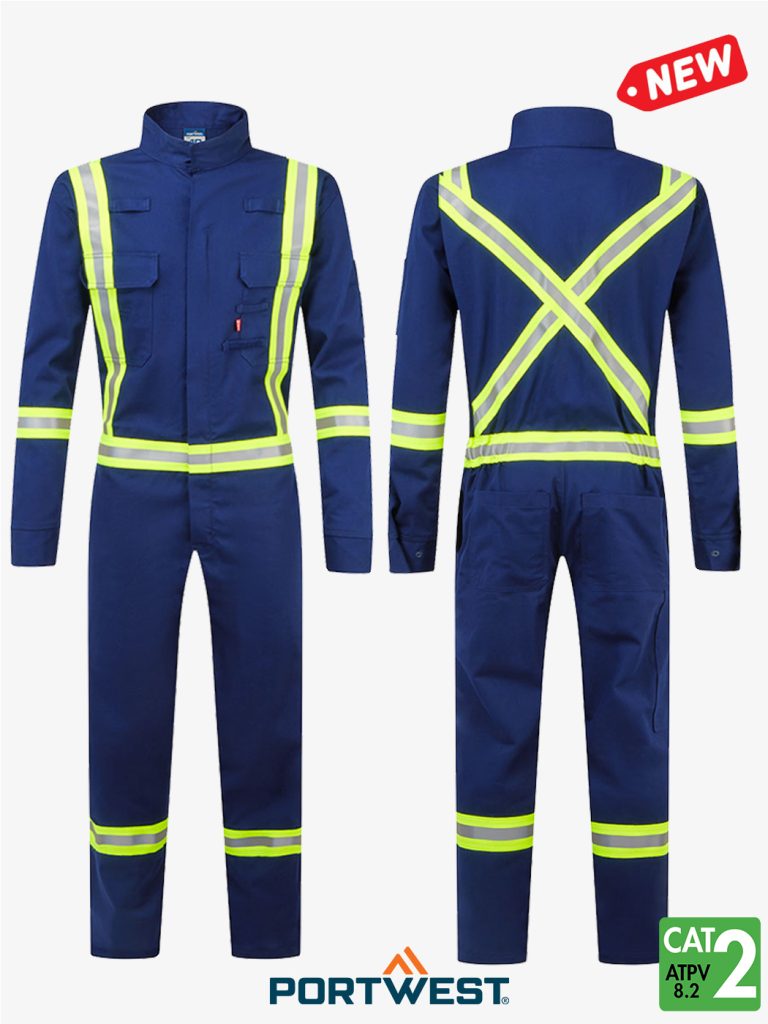
Flame-resistant (FR) high-visibility coveralls such as these for women are essential protective gear for workers in hazardous environments, particularly in industries such as oil and gas, construction, and electrical work. These garments not only shield against fire hazards but also enhance visibility in low-light conditions, ensuring safety on the job. Proper use and maintenance of these coveralls are crucial for maximizing their protective capabilities and extending their lifespan. This guide will delve into the best practices for selecting, wearing, inspecting, cleaning, and storing FR high-visibility coveralls.
- Understanding Flame-Resistant Coveralls
- Selecting the Right FR Coveralls
- Proper Use of FR Coveralls
- Regular Inspection of Flame-Resistant Coveralls
Understanding Flame-Resistant Coveralls
What Are Flame-Resistant Coveralls?
Flame-resistant coveralls are specially designed garments made from materials that resist ignition and self-extinguish when exposed to flames. These coveralls are crucial for workers who face risks from flash fires, arc flashes, and other thermal hazards. The effectiveness of FR coveralls is determined by their fabric composition, which is engineered to provide a barrier against heat and flames.
Importance of High-Visibility Features
In addition to flame resistance, high-visibility coveralls incorporate reflective materials that enhance the wearer’s visibility in various lighting conditions. This feature is particularly vital in environments where heavy machinery operates, as it helps prevent accidents and ensures that workers are easily seen by their colleagues and equipment operators.
Selecting the Right FR Coveralls
Assessing Workplace Hazards
Before selecting FR coveralls, it is essential to evaluate the specific hazards present in your work environment. Consider factors such as:
- Type of Work: Different jobs expose workers to varying levels of risk. For instance, electrical work may require coveralls with specific arc flash ratings.
- Environmental Conditions: Assess whether the work environment is indoors or outdoors, as this may influence the choice of fabric and insulation.
- Regulatory Standards: Familiarize yourself with industry regulations and standards that dictate the required level of protection for your specific job.
Choosing the Right Fit
Proper fit is crucial for the effectiveness of FR coveralls. Ill-fitting garments can hinder movement and compromise safety. When selecting coveralls, consider the following:
- Size: Ensure that the coveralls are neither too tight nor too loose. A snug fit allows for ease of movement while maintaining a protective air gap.
- Design Features: Look for coveralls with adjustable cuffs, zippers, and other features that enhance comfort and functionality.
Proper Use of FR Coveralls
Layering Considerations
One common misconception is that FR coveralls provide a protective barrier against all types of clothing worn underneath. However, it is critical to avoid wearing non-FR synthetic materials, such as polyester or nylon, beneath your coveralls. In the event of a thermal incident, these materials can melt and fuse to the skin, causing severe burns. Instead, opt for:
- Approved Undergarments: Use 100% cotton, wool, or specialized FR-rated base layers to ensure maximum protection.
Daily Wear Guidelines
To ensure the effectiveness of FR coveralls, follow these guidelines:
- Fully Zip Up: Always zip the coveralls completely to protect the chest and neck from thermal exposure.
- Secure Cuffs: Roll down sleeves and secure cuffs to prevent heat from entering the garment.
- Avoid Excessive Baginess: Ensure that the coveralls fit well without being overly baggy, which can create snag hazards.
Regular Inspection of FR Coveralls
Importance of Routine Checks
Regular inspections of FR coveralls are vital for maintaining their protective qualities. Before each shift, conduct a thorough check for any signs of wear and tear. This proactive approach can prevent potential safety hazards.
Inspection Checklist
Use the following checklist to guide your inspections:
| Inspection Point | What to Look For | Why It Matters |
|---|---|---|
| Oil and Grease Saturation | Dark spots or slickness on the fabric | Hydrocarbons are flammable and can compromise safety. |
| Reflective Tape | Fraying or loss of retro-reflectivity | Damaged tape reduces visibility to equipment operators. |
| Holes and Tears | Any gaps larger than a dime or frayed seams | Openings can allow heat to penetrate, increasing burn risk. |
| Cleanliness | Presence of combustible dust or solvents | Contaminants can ignite and compromise the garment. |
| Closures | Broken zippers or missing buttons | Garments must remain closed to maintain thermal protection. |
Cleaning and Maintenance of FR Coveralls
Laundering Guidelines
Proper cleaning is essential to maintain the integrity of FR coveralls. Follow these guidelines for effective laundering:
- Avoid Harsh Chemicals: Never use bleach or fabric softeners, as these can strip the FR treatment from the fabric.
- Professional Cleaning: For heavily soiled coveralls, especially those contaminated with flammable substances, seek professional cleaning services that specialize in FR garments.
Frequency of Cleaning
Regular cleaning helps prevent the buildup of hydrocarbons and other contaminants. It is advisable to wash FR coveralls:
- Before First Use: Always clean new coveralls before wearing them for the first time.
- After Each Use: Frequent washing is recommended, especially if the coveralls have been exposed to hazardous materials.
Storing FR Coveralls Properly
Ideal Storage Conditions
Proper storage is crucial for preserving the protective qualities of FR coveralls. Follow these guidelines:
- Cool, Dry Environment: Store coveralls in a well-ventilated area away from moisture to prevent mold and mildew growth.
- Avoid Direct Sunlight: Prolonged exposure to sunlight can degrade the fabric and diminish its protective properties.
Chemical Safety
Ensure that FR coveralls are stored away from chemicals and substances that could compromise their flame-resistant qualities. Designate a specific storage area for FR clothing, separate from chemicals and other contaminants.
Repairing FR Coveralls
When to Repair or Replace
Timely repairs are essential for maintaining the effectiveness of FR coveralls. If you notice any damage, such as:
- Tears or Cuts: Small rips can often be repaired, but larger damages may necessitate replacement.
- Frayed Seams: Compromised seams can lead to gaps in protection.
Repair Guidelines
If repairs are necessary, adhere to the following guidelines:
- Use Appropriate Materials: Ensure that any repair materials match the original specifications of the coveralls to maintain their flame-resistant properties.
- Professional Services: Consider utilizing professional repair services that specialize in FR garments to ensure compliance with safety standards.
Training Employees on FR Coverall Use
Importance of Training
Providing comprehensive training for employees on the proper use and maintenance of FR coveralls is essential for workplace safety. Training should cover:
- Correct Wearing Techniques: Educate employees on the importance of wearing coveralls properly and securely.
- Inspection Procedures: Teach workers how to conduct routine inspections and identify signs of wear and tear.
Ongoing Education
Regular refresher courses can help reinforce the importance of FR coverall maintenance and ensure that employees remain vigilant about their safety gear.
Conclusion
Maintaining flame-resistant high-visibility coveralls is a critical aspect of workplace safety in hazardous environments. By understanding the importance of proper selection, use, inspection, cleaning, storage, and repair, organizations can ensure that their employees are adequately protected against fire hazards. Investing in the right training and adhering to best practices will not only extend the lifespan of FR coveralls but also enhance the overall safety culture within the workplace.
By following this comprehensive guide, you can maximize the effectiveness of your FR high-visibility coveralls and ensure a safer working environment for all employees.
