
No products in the cart.
Uncategorized
Which FR material Nomex or FR cotton offers better long-term protection?
When choosing between Nomex and Flame-Resistant (FR) Cotton for industrial safety, the definition of “long-term protection” depends on whether you are measuring the physical durability of the garment or the chemical permanence of its safety features.
Both materials serve as critical lines of defense against flash fires and electric arcs, but they achieve this protection through fundamentally different technologies.
- Inherency vs. Treatment
- Durability and Lifecycle
- Thermal Performance Under Stress
- The “Laundering” Factor
- Which is right for you?
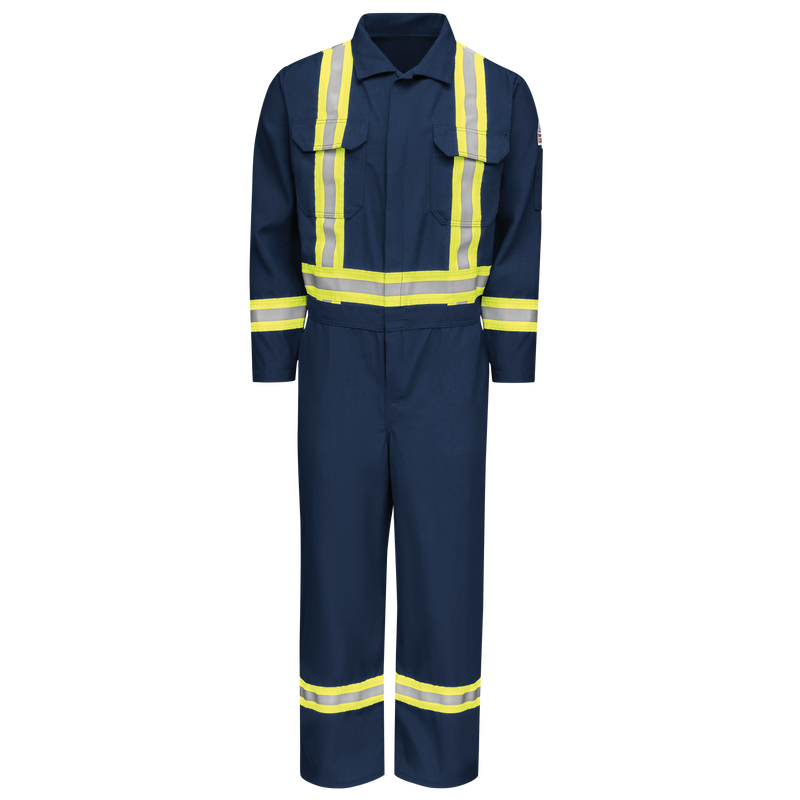
1. Inherency vs. Treatment
The primary difference lies in how the materials are made flame-resistant.
- Nomex (Inherent): Nomex is an aramid fiber. The flame-resistant properties are part of the molecular structure of the fiber itself. It cannot be washed out or worn away. As long as the fabric is intact, the protection is present.
- FR Cotton (Treated): FR cotton begins as standard flammable cotton. It is then chemically treated with a flame retardant that is “cured” into the fiber. While modern treatments (like Westex UltraSoft) are designed to last the life of the garment, the protection is technically an additive rather than a structural component.
2. Durability and Lifecycle
In many industrial environments, “protection” is only as good as the garment’s integrity. A hole in a sleeve is a failure in protection.
| Feature | Nomex | FR Cotton |
| Wear Life | High (Typically 3–5 years) | Moderate (Typically 1–2 years) |
| Abrasion Resistance | Excellent; resists thinning and holes. | Moderate; prone to fraying at cuffs and knees. |
| Shrinkage | Minimal (1–2%) | Higher (up to 5% or more) |
| Breathability | Lower (can feel “crisper”) | Higher (soft, natural fiber feel) |
The Long-Term Edge: Nomex generally lasts three to five times longer than FR cotton in rugged conditions. Because it maintains its shape and resists tearing better over hundreds of launderings, it provides more reliable “long-term” physical coverage.
3. Thermal Performance Under Stress
Long-term protection also refers to how the fabric reacts during an actual thermal event after it has been aged.
- Carbonization: When exposed to intense heat, Nomex carbonizes and swells. This creates a thick, protective barrier between the heat source and the skin, reducing the severity of second and third-degree burns.
- Char Strength: FR cotton relies on a chemical reaction to extinguish the flame. While effective, the resulting char is often more brittle than aramid char. If a worker is moving during a flash fire, a brittle char may break open, exposing the skin.
4. The “Laundering” Factor
The greatest threat to FR cotton’s long-term protection is improper care.
- Chemical Degradation: If FR cotton is accidentally washed with chlorine bleach or “hard water” minerals (like calcium) are allowed to build up, the flame-retardant treatment can be neutralized or masked.
- Nomex Resilience: Since Nomex is inherent, it is much more “forgiving” of laundering errors. While you should still avoid bleach to prevent weakening the fibers, you cannot “wash away” the flame resistance of an aramid.
The Verdict
Nomex offers the superior long-term protection profile.
While FR cotton is often preferred for its lower initial cost and superior comfort in hot environments, its protection is finite. It is more susceptible to mechanical wear, shrinkage, and chemical degradation from improper washing.
Nomex provides a “set it and forget it” level of safety. From the first day to the thousandth day, its molecular structure remains unchanged, ensuring that the worker is protected as long as the garment is being worn.
Summary Table: Which is right for you?
- Choose Nomex if: You prioritize the longest possible garment life, work in high-abrasion environments, or want a “fail-safe” inherent fiber.
- Choose FR Cotton if: You have a high turnover of staff, work in environments with heavy grease/grime where garments are discarded early anyway, or require the high breathability of a natural fiber.

FAQ: Nomex vs. FR Cotton for Long-Term Protection
What is the main difference between Nomex and FR cotton materials?
The primary difference lies in how the flame resistance is achieved. Nomex is an “inherent” fiber, meaning the flame-resistant properties are part of the fiber’s molecular structure and cannot be washed out or worn away. FR cotton (and cotton-nylon blends like Westex UltraSoft) is a “treated” fabric, where a flame-retardant chemical is bonded to the cotton fibers to provide protection.
Which material offers better long-term durability?
Nomex generally offers superior long-term durability. It is a highly resilient synthetic aramid fiber that resists abrasion, chemical exposure, and thinning over time. While high-quality FR cotton blends are engineered for a long service life, Nomex typically lasts three to five times longer than traditional treated fabrics under similar working conditions.
Does the flame resistance in FR cotton wash out over time?
Modern FR cotton garments, such as those using Indura or UltraSoft technology, are guaranteed to maintain their flame-resistant properties for the life of the garment, provided they are laundered according to the manufacturer’s instructions. However, the protection can be compromised by improper care, such as using chlorine bleach, fabric softeners, or starches, which can strip the treatment or mask the FR properties.
Which fabric is better for resisting shrinkage and maintaining fit?
Nomex is highly resistant to shrinkage and maintains its original shape and size well over years of use. Because FR cotton is primarily a natural fiber, it may experience minor shrinkage (typically 3–5%) during the first few laundering cycles. To maintain the fit of FR cotton, it is often recommended to use low heat or air-drying.
Are there specific environments where Nomex is preferred over FR cotton?
Nomex is often the preferred choice for high-risk environments involving frequent chemical exposure or extreme thermal hazards, such as in the oil and gas industry or firefighting. Its synthetic nature makes it more resistant to breaking down when exposed to harsh industrial chemicals compared to cotton-based materials.
How do I know when it is time to replace my FR clothing?
Regardless of the material, you should retire your garment if you notice:
Thinning fabric: If you can see light through the material in high-wear areas like the knees or seat.
Unrepairable damage: Any rips, holes, or tears that cannot be patched with compatible FR material.
Permanent contamination: Stains from oil, grease, or fuel that cannot be laundered out, as these can act as fuel in a fire.
Mechanical failure: Broken zippers or closures that prevent the garment from being fully secured.
Is there a comfort trade-off for the increased durability of Nomex?
While Nomex is lighter and more durable, many workers find FR cotton blends to be more comfortable for long shifts because they feel softer and more like traditional denim or canvas. FR cotton is often more breathable and has better moisture-wicking properties, making it a popular choice for general industrial work where extreme chemical resistance isn’t the primary concern.
