
No products in the cart.
Uncategorized
Where can I buy FR flame-resistant balaclavas in Canada
Gemini said
Why an FR Balaclava is Your Most Critical Layer
When you’re working in environments where flash fires or electric arcs are a daily reality, your gear isn’t just a uniform—it’s your insurance policy. We spend a lot of time talking about heavy-duty coveralls and boots, but one of the most vital pieces of PPE is often the one people forget until the temperature rises: The Flame-Resistant (FR) Balaclava.
Whether you’re an electrician, an oil and gas tech, or a wildland firefighter, protecting your face and neck is non-negotiable. Here’s why the right balaclava is a game-changer for your safety and comfort.
- 1 More Than Just a “Ski Mask”
- 2 The Comfort Factor: Protection You’ll Actually Wear
- 3 Choosing the Right One for the Job
- 4 FR Fabric Comparison Table
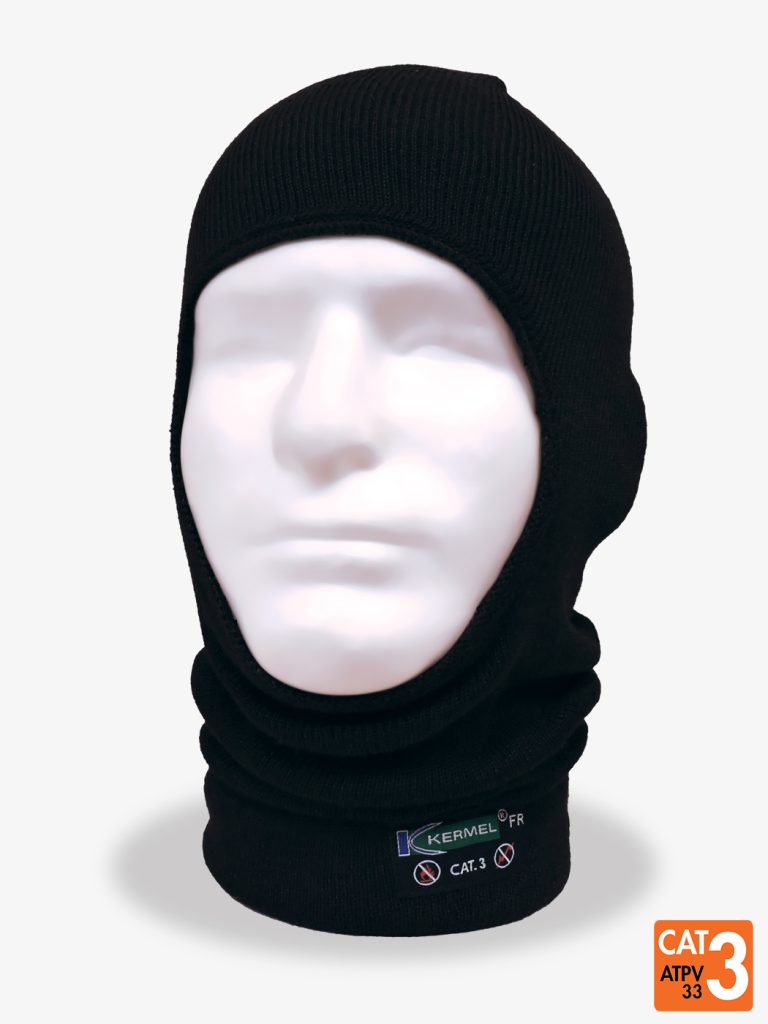
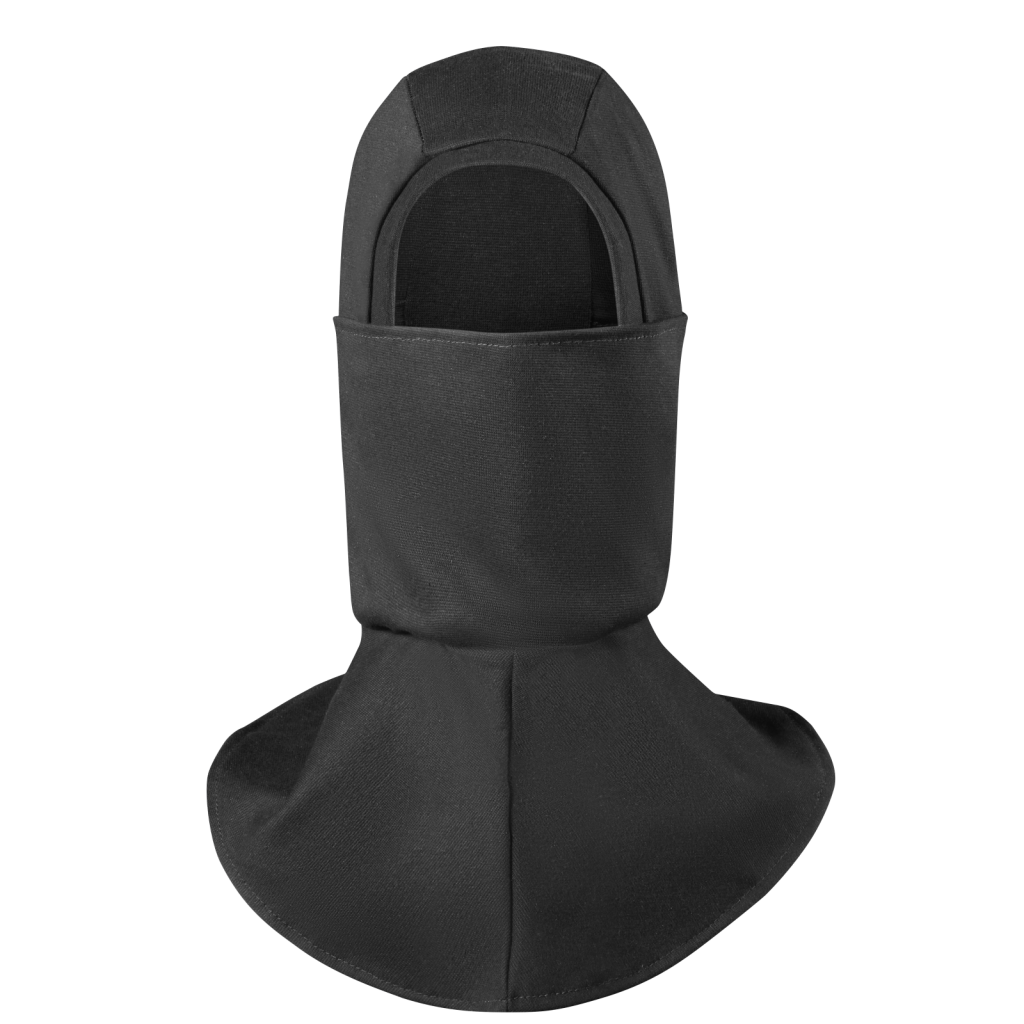
More Than Just a “Ski Mask”
A standard cotton or synthetic balaclava might keep you warm, but in an industrial accident, it can actually become a liability. Standard synthetics can melt onto the skin, causing devastating injuries.
FR Balaclavas are engineered to:
- Self-Extinguish: They won’t catch fire or continue to burn once the heat source is removed.
- Prevent Melting: High-quality FR fabrics (like Nomex®, CarbonX, or treated cotton blends) will not drip or stick to your skin.
- Provide Thermal Insulation: They create a critical barrier between your airway and intense heat.
The Comfort Factor: Protection You’ll Actually Wear
The biggest complaint about face protection? “It’s too hot.” Modern FR tech has come a long way from the itchy, heavy hoods of the past.
| Feature | Benefit |
| Moisture Wicking | Pulls sweat away from the skin to keep you dry and prevent “swamp face.” |
| Breathability | High-airflow knits allow you to breathe easily without fogging up your safety glasses. |
| Ergonomic Design | Flat-lock seams prevent pressure points under your hard hat or welding shield. |
| Multi-Season Weights | Available in lightweight mesh for summer and dual-layer fleece for winter. |
Choosing the Right One for the Job
Not all FR balaclavas are created equal. When shopping, look for these specific certifications to ensure you’re meeting OSHA and industry standards:
- NFPA 70E: Essential for electrical safety and arc flash protection.
- ASTM F1506: Ensures the garment maintains its flame resistance after repeated washings.
- CAT Ratings: Make sure the Arc Thermal Performance Value (ATPV) matches the hazard level of your work site.
Pro Tip: Look for “hinged” designs. These allow you to pull the face piece down below your chin when you’re in a safe zone without having to remove your entire headgear.
The Bottom Line
Your face and neck contain some of the most sensitive skin on your body and your vital airway. Covering them with an FR balaclava isn’t just about compliance; it’s about making sure you go home the same way you showed up.
Don’t leave your most vulnerable areas exposed. Invest in a high-quality, breathable FR balaclava and make it a permanent part of your kit.
FR Fabric Comparison Table
If you want to recommend specific types to your readers, this table breaks down the most common materials:
| Fabric Type | Best For | Key Advantage |
| Nomex® / Aramid | Extreme Heat & Racing | Inherently flame-resistant; extremely durable and won’t wash out. |
| Modacrylic Blends | All-Day Comfort | Feels like soft cotton; excellent moisture management for hot climates. |
| CarbonX® | Highest Protection | Withstands direct flame and molten metal splash better than almost anything. |
| FR Treated Cotton | Budget-Friendly | Cost-effective and breathable, though protection can degrade over long-term heavy washing. |
