
No products in the cart.
Uncategorized
Please provide affordable flame resistant parkas with thermal insulation
Finding affordable flame-resistant (FR) parkas with thermal insulation requires looking for brands that specialize in “value-tier” safety gear. While high-end FR parkas can exceed $600, there are several reputable options in the $180–$300 price range.
- Top Affordable FR Insulated Parkas
- Key Factors for “Affordable” FR Gear
- Where to Find the Best Deals
- FAQ’s
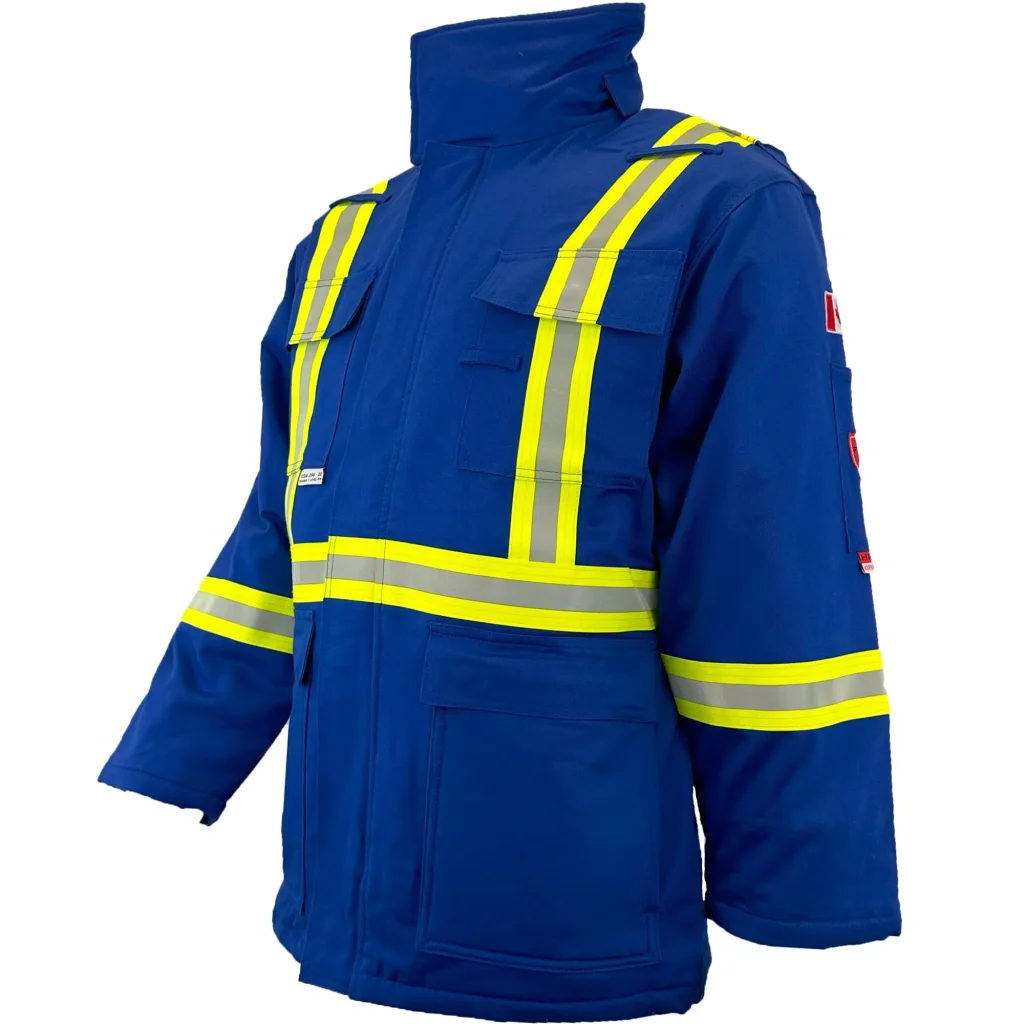
Below are the most affordable and highly-rated options currently available.
Top Affordable FR Insulated Parkas
| Brand & Model | Approx. Price | Key Features | Safety Rating |
| IFR Avenger Parka | $301.00 | Quilted wind barrier, modacrylic insulation, 3M reflective trim. | NFPA 2112, CAT 4 |
| Bulwark FR Parka | $411.40 | Water-repellent finish, deep-pleated action back for movement. | NFPA 2112, CAT 3 |
| Portwest FR Parka | $272.25 | Dense padding insulation and flame-resistant cotton interior for maximum warmth | NFPA 2112, CAT 4 |
| Atlas Guardian FR Parka | $243.60 | High-visibility options, D-ring access for fall protection. | NFPA 2112, CAT 4 |
Export to Sheets
Stopped Here
Key Factors for “Affordable” FR Gear
When shopping at a lower price point, ensure you aren’t sacrificing critical safety features. Look for these specs:
- Certification: Ensure the parka is NFPA 2112 certified (for flash fire) and/or NFPA 70E compliant (for arc flash).
- CAT Rating: For winter work, most parkas are CAT 4 (the highest protection level), which usually provides an Arc Thermal Performance Value (ATPV) of 40 cal/cm2 or higher.
- Insulation Type: Affordable parkas typically use Modacrylic or FR Cotton blends. These are excellent for warmth but can be slightly heavier than expensive, lightweight synthetic “tech” fibers.
- Outer Shell: Look for Westex UltraSoft or FR Treated Duck Canvas. These provide the best balance of durability and cost.
Where to Find the Best Deals
If the models above are still outside your budget, these retailers often have clearance sections for FR winter gear:
- FR Depot: Often has Forge FR and Rasco closeouts.
- Safety Protection Warehouse: Good for IFR and Atlas brands.
- Amazon: Look for the Wrangler FR or Ariat FR lines, which occasionally go on deep discount during the off-season.
- Direct Workwear: Frequently offers “Buy Now, Pay Later” options and seasonal sales on brands like Firewall.
Finding affordable flame-resistant (FR) parkas that also provide heavy thermal insulation can be tricky because safety certifications and specialized materials typically drive prices up.
In the FR world, “affordable” generally refers to parkas in the $200–$350 range, as premium options often exceed $600–$800. Below are the most common questions regarding these safety-critical garments.
Safety & Standards FAQ
1. Does a lower price mean the parka is less safe?
Not necessarily. To be legally sold as “FR” for industrial work, a parka must meet specific standards (like NFPA 2112 for flash fire or NFPA 70E for arc flash). An affordable parka from a reputable brand like Rasco or Bulwark is just as “safe” in terms of meeting the minimum rating as an expensive one.
- The Trade-off: Lower-cost parkas often sacrifice weight, bulkiness, and extra features (like 15 pockets or ultra-breathable membranes) rather than safety.
2. What safety ratings should I look for?
Depending on your industry, look for:
- NFPA 2112: Mandatory for protection against flash fires (common in Oil & Gas).
- NFPA 70E / ASTM F1506: For electrical arc flash protection.
- CAT/PPE Category: Most winter parkas are CAT 3 or CAT 4, meaning they offer high levels of arc protection.
3. Is the insulation itself flame-resistant?
Yes. In a certified FR parka, the thermal lining (usually modacrylic or treated cotton) must also be flame-resistant. Never wear a standard “non-FR” puffy jacket under an FR shell, as the polyester or down insulation can melt or ignite under the shell in an accident.
Care & Maintenance FAQ
4. How should I wash an affordable FR parka?
Proper care is vital for maintaining the “affordable” value of your coat, as incorrect washing can ruin the FR properties.
- Water Temp: Use warm or cold water (avoid boiling hot).
- Detergent: Use standard liquid detergent. Never use chlorine bleach or fabric softeners, as they can coat the fibers and interfere with the flame-resistant chemistry.
- Drying: Tumble dry on low or air dry. High heat can shrink the outer shell and damage the thermal barrier.
5. When should I replace my parka?
Even the best budget parka has a shelf life. Replace it if:
- It has permanent stains from flammable substances (oils, greases) that won’t wash out.
- There are holes, tears, or worn-through spots in the outer shell.
- The fabric has become significantly thinned from years of use.
Buying Guide FAQ
6. Which brands offer the best value for the money?
If you are buying out-of-pocket, these brands are known for being budget-friendly without compromising certification:
- Coverallsale.ca: Often cited as the most affordable entry point for NFPA 2112 parkas.
- Workrite / Bulwark: Look for their “Classic” or “Essential” lines.
- Atlas Guardian: Popular in Canada/Northern US for high-visibility FR parkas at mid-range prices.
- Carhartt FR: While slightly more expensive, their durability often makes them the best “long-term” value.
7. What is the difference between “Inherent” and “Treated” fabrics?
- Treated (e.g., Westex UltraSoft): Usually cheaper. Flame resistance is chemically applied to cotton/nylon blends. It is very safe but can be slightly heavier.
- Inherent (e.g., Nomex): More expensive. The fibers themselves are flame-resistant. These are lighter and the protection can never “wash out,” but the upfront cost is higher.
