
No products in the cart.
Uncategorized
How to choose the right flame resistant clothing for welding jobs
KEY POINTS
- Match The Fabric To The Job
- Importance Of Flame Resistance In Welding
- Understanding The Safety Standards
- Types Of Welding Applications
Choosing the right flame-resistant (FR) clothing for welding is not just about avoiding “the itch” of sparks; it’s about protecting yourself from UV radiation, molten spatter, and thermal energy that can cause severe burns.
The “right” gear depends entirely on the intensity of your welding process and your working environment.
1. Match the Fabric to the Welding Process
The most common mistake is using the same jacket for every job. Here is how to choose based on the heat and spatter levels:
| Welding Type | Recommended Material | Why? |
| TIG Welding | FR Cotton | Low spatter, but high UV. Lightweight cotton allows for the high dexterity and precision needed for TIG. |
| MIG Welding | Leather or Hybrid | Moderate to high spatter. A hybrid (leather sleeves, FR cotton body) offers a balance of protection and cooling. |
| Stick / Flux-Core | Heavy-Duty Leather | High heat and constant “meteorite” sparks. Thick leather (cowhide or pigskin) is the only thing that won’t char immediately. |
| Overhead Work | Full Leather Capes | Gravity is your enemy. You need heavy-duty coverage on the chest and arms to prevent molten metal from rolling into pockets or collars. |
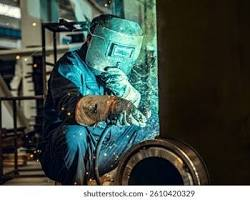
When it comes to welding, safety is paramount. One of the most critical aspects of ensuring a welder’s safety is selecting the appropriate flame-resistant (FR) clothing. The right gear not only protects against sparks and heat but also enhances comfort and mobility during work. This article will guide you through the essential factors to consider when choosing flame-resistant clothing for welding applications.
Understanding Flame-Resistant Clothing
What is Flame-Resistant Clothing?
Flame-resistant clothing is specifically designed to protect the wearer from fire hazards. Unlike regular clothing, which can ignite and burn, FR garments are engineered to self-extinguish when exposed to flames. This characteristic is crucial for welders who face intense heat and sparks during their work.
Importance of Flame Resistance in Welding
Welding involves various risks, including exposure to molten metal, sparks, and intense heat. The right FR clothing acts as a barrier, reducing the likelihood of severe burns and injuries. It is essential to understand that flame-resistant clothing does not make a welder invincible; rather, it provides critical seconds to react in case of an incident.
Key Standards and Certifications
Understanding Safety Standards
When selecting flame-resistant clothing, it is vital to consider the relevant safety standards. Two of the most recognized standards in the welding industry are:
- NFPA 2112: This standard focuses on protection against flash fire hazards.
- ASTM F1506: This standard applies to arc flash conditions.
These certifications ensure that the fabric has undergone rigorous testing to confirm its protective capabilities. However, they do not guarantee comfort or durability after multiple washes.
The Role of Testing Methods
Testing methods such as ASTM 6413-11A evaluate the vertical flame resistance of fabrics. Understanding these tests can help you make informed decisions about the clothing you choose. Always look for garments that have been tested and certified to meet these standards.
Factors to Consider When Choosing FR Clothing
Type of Welding Application
Different welding processes require varying levels of protection. For instance:
- TIG Welding: This low-amperage process may only require basic flame-resistant cotton garments.
- MIG and Stick Welding: These methods generate more heat and require heavier-duty materials, such as leather or thicker cotton.
Assessing the specific welding application is crucial in determining the appropriate level of protection.
Fabric Composition
The fabric used in flame-resistant clothing can significantly impact its performance. Common materials include:
- Inherently Flame-Resistant Fabrics: These materials are designed to resist flames at the fiber level, maintaining their protective qualities even after multiple washes.
- Chemically Treated Fabrics: These fabrics are treated with flame-retardant chemicals, which may wear off over time, reducing their effectiveness.
Choosing inherently flame-resistant materials can provide better long-term protection.
Comfort and Fit
Comfort is often overlooked but is essential for effective flame-resistant clothing. A well-fitting garment allows for ease of movement and reduces fatigue during long shifts. Consider the following:
- Breathability: Fabrics that allow airflow can help regulate body temperature, especially in hot working conditions.
- Weight and Thickness: Heavier fabrics offer more protection but may be less comfortable. Finding a balance is key.
Additional Protective Features
Layering for Enhanced Safety
Flame-resistant clothing should be part of a comprehensive safety system. Layering different types of protective gear can enhance safety. For example:
- Welding Sleeves: These can provide additional protection for the arms during out-of-position work.
- Hoods and Caps: These protect the head and neck from sparks and heat.
Using a combination of protective layers can help mitigate risks more effectively than relying on a single garment.
Special Features to Look For
When selecting FR clothing, consider additional features that enhance safety and usability:
- Reinforced Stitching: This can improve durability and reduce the risk of seams failing under stress.
- Pocket Placement: Thoughtful pocket design can prevent hazards, such as exposed metal snaps, from becoming dangerous during welding.
Maintenance and Care
Proper Laundering Techniques
Maintaining the integrity of flame-resistant clothing is crucial for long-term protection. Follow these guidelines:
- Use Mild Detergents: Harsh chemicals can degrade the flame-resistant properties of the fabric.
- Avoid Fabric Softeners: These can leave residues that may reduce the effectiveness of the FR treatment.
Regularly inspect garments for signs of wear and tear, as damaged clothing may not provide adequate protection.
Lifespan of FR Clothing
Flame-resistant clothing does not last indefinitely. Over time, exposure to heat, abrasion, and laundering can diminish its protective qualities. It is essential to replace garments that show signs of significant wear or damage.
The Role of Experience in Choosing FR Clothing
Insights from Welders
Choosing flame-resistant clothing designed by individuals with firsthand welding experience can make a significant difference. Brands that prioritize the needs of welders often incorporate features that enhance comfort and safety based on real-world feedback.
Importance of Brand Reputation
Researching brands and their reputation in the industry can help you make informed decisions. Look for companies known for their commitment to quality and safety standards.
Frequently Asked Questions
Is flame-resistant clothing mandatory for welding?
While regulations may vary by location and employer policies, flame-resistant clothing is highly recommended for all welding tasks to ensure safety.
Can flame-resistant clothing lose its protective qualities?
Yes, improper care, heavy contamination, and wear can reduce the effectiveness of flame-resistant clothing over time.
Are welding shirts sufficient for protection?
Welding shirts are an essential part of protective gear but should be complemented with other safety equipment, such as gloves and helmets.
Do welding sleeves replace FR shirts?
No, welding sleeves provide targeted protection for the arms but do not cover the torso, making it necessary to wear both.
Conclusion
Selecting the right flame-resistant clothing for welding jobs is a critical aspect of ensuring safety on the job site. By understanding the various factors, including fabric composition, comfort, and safety standards, welders can make informed choices that protect them from potential hazards. Remember, flame-resistant clothing is not just a requirement; it is an essential part of a comprehensive safety strategy that can make all the difference in preventing injuries and ensuring a safe working environment.
By prioritizing quality, comfort, and proper maintenance, welders can confidently focus on their tasks, knowing they are protected by the best gear available.
